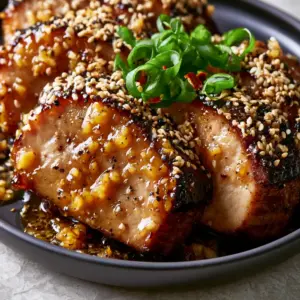
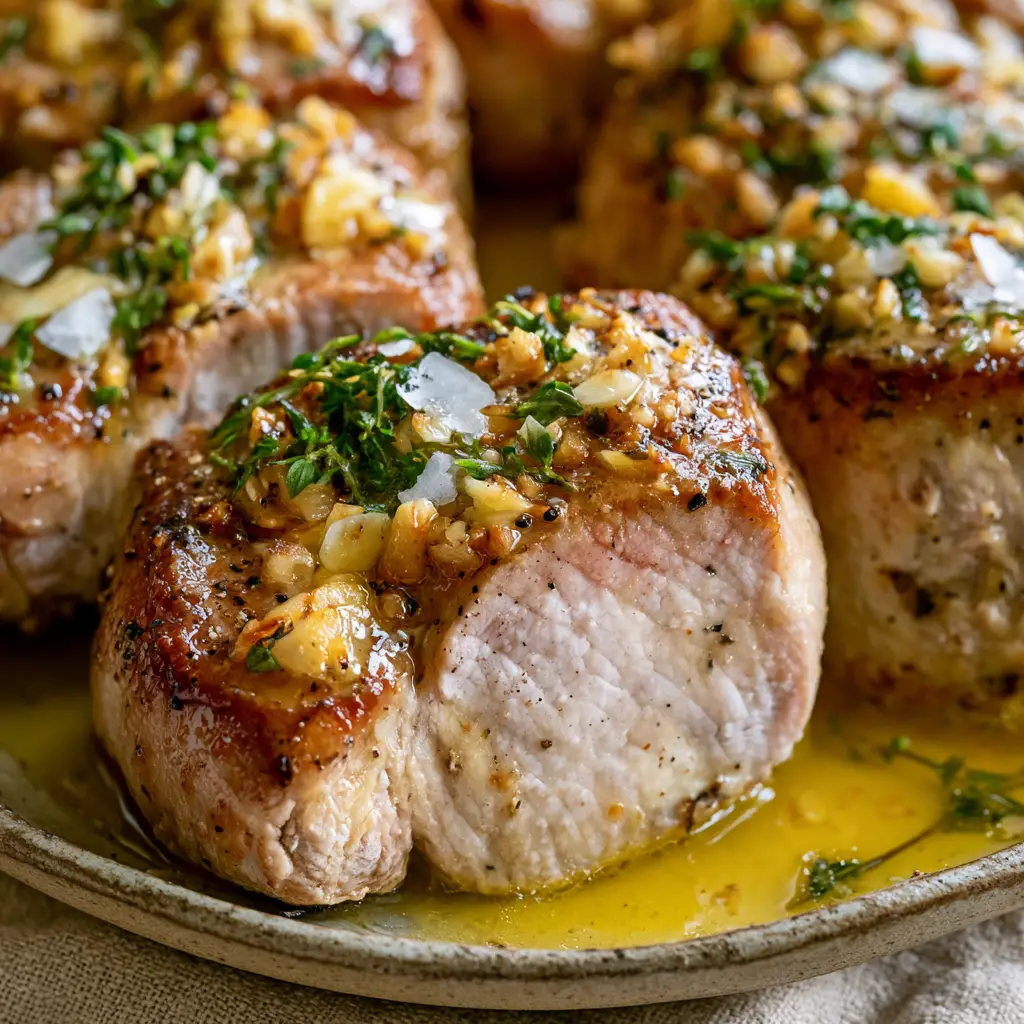
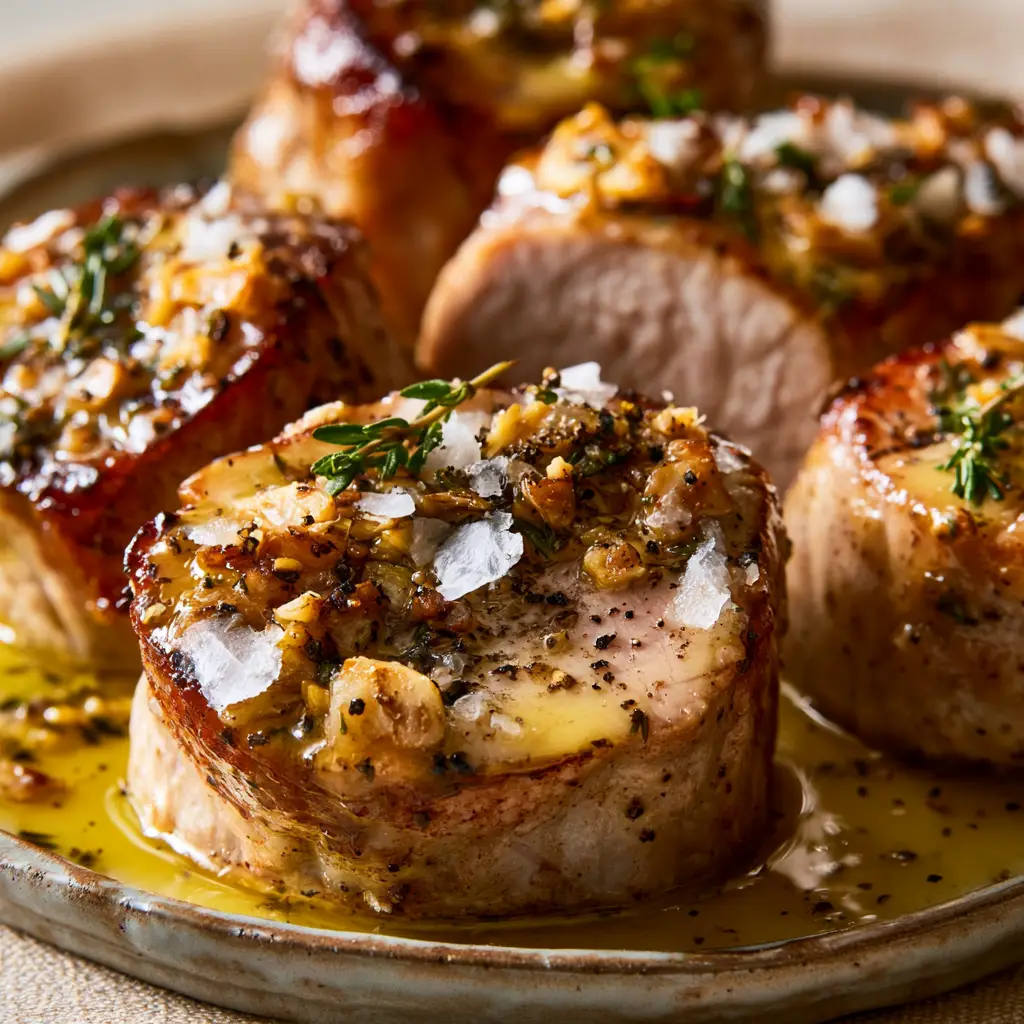
This Tender Pork Recipe is the ultimate masterclass in achieving restaurant-quality results in your own kitchen. Imagine thick, succulent pork tenderloin medallions, each boasting a deep, caramelized golden-brown crust that shatters slightly before revealing a moist, pinkish-white interior grain. The meat doesn’t just sit on the plate; it glistens under a pool of melted garlic herb butter, punctuated by the crunch of toasted minced garlic and the aromatic fragrance of fresh thyme and rosemary.
Achieving the perfect sear while maintaining a juicy center is often considered a culinary tightrope walk. However, by understanding the science of pan-searing and the importance of carry-over cooking, you can transform a simple cut of meat into a visual and sensory masterpiece. This dish is designed to be the centerpiece of a rustic stoneware platter, catching the soft natural light and inviting every guest to dive in.
Whether you are looking for a sophisticated weeknight meal or a stunning weekend feast, this method ensures your pork is never dry, gray, or flavorless. We are focusing on high-impact aromatics like toasted garlic and flaky sea salt to elevate the natural sweetness of the pork. Let’s explore how to bridge the gap between a standard dinner and a professional culinary experience.
Why This Succulent Seared Pork Works
- The Maillard Reaction: We utilize high-heat searing to create a complex, savory crust that provides a textural contrast to the tender interior.
- Garlic Butter Emulsion: The melted herb butter acts as a basting liquid, deeply infusing the medallions with fat and aromatics during the final minutes of cooking.
- Precision Temperature Control: By targeting a specific internal temperature, we guarantee a moist, pinkish-white grain that melts in the mouth.
- Aromatic Depth: The combination of fresh thyme, rosemary, and toasted minced garlic creates a layered flavor profile that store-bought seasonings cannot match.
The Anatomy of a Perfect Tender Pork Recipe
Before we reach for the skillet, we must understand our primary ingredient. The pork tenderloin is a lean, delicate muscle that requires a gentle touch and fast cooking times to prevent dehydration. Unlike the larger pork loin, the tenderloin is prized for its fine grain and lack of connective tissue, making it the ideal candidate for quick-seared medallions.
To achieve the visual result seen in our blueprint, you need to ensure the silver skin is completely removed. This thin, pearlescent membrane does not break down during cooking and will cause the medallions to curl and toughen. A sharp boning knife and a steady hand are your best friends here, allowing the heat to penetrate the meat evenly without obstruction.
If you enjoy exploring different cuts and preparation styles, you might also find our guide to Chinese pork loin recipes helpful for understanding how various muscles react to high heat. However, for today’s Tender Pork Recipe, the focus is strictly on the buttery, herb-infused elegance of the tenderloin.
Essential Ingredients for Gourmet Medallions
Pork Tenderloin: Look for a 1.5 lb (680g) piece that is vibrant pink with minimal bruising. This is the foundation of our dish, providing the succulent texture we crave.
Unsalted Butter: You will need 4 tbsp (56g) of high-quality butter. Using unsalted allows us to control the final seasoning precisely with the flaky sea salt mentioned in the visual blueprint.
Fresh Garlic: We use 4 cloves (approx. 20g), minced finely. These will be toasted in the butter until golden-brown, providing a nutty crunch that contrasts the soft meat.
Fresh Thyme and Rosemary: 4-5 sprigs of each are required. These woody herbs withstand the heat of the pan, releasing essential oils that permeate the garlic butter glaze.
Neutral Oil: 2 tbsp (30ml) of grapeseed or avocado oil. We need an oil with a high smoke point to achieve that deep caramelized sear without the oil breaking down and tasting bitter.
Flaky Sea Salt and Cracked Black Pepper: These are our finishing touches. The large flakes of salt provide a burst of salinity, while the coarse pepper adds a floral heat that cuts through the rich butter.
Professional Tools for the Perfect Sear
To replicate the macro close-up textures of our visual prompt, a heavy-bottomed skillet is non-negotiable. A cast-iron pan or a heavy stainless steel skillet provides the best heat retention, ensuring the pan temperature doesn’t drop when the meat hits the surface. This is the secret to getting those “caramelized golden-brown edges” described in the Midjourney prompt.
A digital instant-read thermometer is your most important safety and quality tool. Because pork tenderloin is so lean, the difference between “perfectly pink” and “dry and tough” is only a matter of five degrees. Aiming for an internal temperature of 145°F (63°C) ensures food safety while preserving the succulent moisture of the grain.
Lastly, a sturdy set of tongs and a large spoon for basting (the “arroser” technique) will allow you to bathe the pork in the hot garlic herb butter, creating that glistening glaze that pools beautifully on the rustic stoneware platter.
Mastering the Skillet: Step-by-Step Instructions
Preparation and Tempering
Remove the 1.5 lb (680g) pork tenderloin from the refrigerator at least 20 minutes before cooking. Tempering the meat ensures that the interior isn’t ice-cold when the exterior starts to sear, leading to more even cooking throughout.
Use a sharp knife to remove any visible silver skin. Slice the tenderloin into thick medallions, approximately 1.5 inches (3.8cm) thick. Use the heel of your hand to gently press them into uniform rounds, which helps them cook at the same rate.
Pat the medallions extremely dry with paper towels. Moisture is the enemy of the sear; if the meat is wet, it will steam rather than caramelize. Season generously on both sides with cracked black pepper and a small amount of salt (we will add the flaky sea salt later).
The High-Heat Sear
Place your heavy skillet over medium-high heat and add 2 tbsp (30ml) of neutral oil. Wait until the oil is shimmering and just starting to wisps of smoke. This is the sensory cue that the pan is ready for the Tender Pork Recipe.
Carefully place the medallions in the pan, ensuring they are not crowded. You should hear a loud, aggressive sizzle immediately. Press down slightly with your tongs to ensure maximum surface contact.
Sear the first side for 3-4 minutes without moving them. You are looking for a deep, golden-brown crust to form. Flip the medallions; they should release easily from the pan once the crust has set. If they stick, give them another 30 seconds.
The Garlic Herb Butter Baste
Once flipped, reduce the heat to medium and add the 4 tbsp (56g) of butter, the 4 minced garlic cloves, and the sprigs of thyme and rosemary. The butter will begin to foam and bubble aggressively.
As the garlic begins to toast and turn a light golden color, tilt the pan slightly so the butter pools at the bottom. Use a large spoon to continually scoop the hot, aromatic butter over the pork medallions. This is called basting, and it creates the glistening glaze mentioned in our visual blueprint.
Continue basting for another 3-5 minutes. The garlic bits will become toasted and crunchy, and the herbs will become crisp. Check the internal temperature; once it hits 140°F (60°C), remove the medallions from the pan. The temperature will rise to the perfect 145°F (63°C) during the rest.
Expert Tips for Culinary Success
- Don’t Overcrowd the Pan: If you put too many medallions in at once, the pan temperature will drop, and the meat will boil in its own juices instead of searing. Cook in batches if necessary.
- Watch the Garlic: Minced garlic can burn quickly. If the butter starts to smoke or the garlic turns dark brown too fast, immediately remove the pan from the heat and add a small splash of oil to cool it down.
- Rest the Meat: Allow the medallions to rest for at least 5-8 minutes on the platter before serving. This allows the juices to redistribute, ensuring every bite is succulent.
- Finishing Salt: Only add the flaky sea salt at the very end. The large crystals provide a crunch and a focused pop of flavor that dissolves on the tongue.
Serving and Pairing Suggestions
To complete this meal, serve the medallions on a rustic stoneware platter as described in the visual prompt. Pour the remaining garlic butter and toasted garlic bits directly from the pan over the meat. The herbs should be used as a garnish, adding a pop of fresh green against the golden-brown meat.
This Tender Pork Recipe pairs beautifully with light, vibrant sides. Consider serving it alongside a bright lemon pasta or perhaps as part of a larger spread of refreshing summer dinner ideas. The richness of the butter glaze is perfectly balanced by acidic or herbaceous side dishes.
If you have leftover pork, it makes an incredible addition to a fried rice dish the next day, though the textures of the fresh sear are best enjoyed immediately after resting.
Frequently Asked Questions
For this specific basting technique, fresh herbs are highly recommended. Dried herbs can burn easily in the hot butter and won’t provide the same aromatic oil infusion that fresh woody sprigs offer.
Add the minced garlic only after flipping the pork and reducing the heat to medium. The foaming butter protects the garlic, and constant basting helps distribute the heat so it toasts evenly to a golden brown.
Yes! The USDA recommends cooking pork to an internal temperature of 145°F (63°C) followed by a three-minute rest. At this temperature, the meat will have a moist, pinkish-white interior that is perfectly safe and succulent.
Pork tenderloin is a long, narrow, lean muscle that is very tender and cooks quickly. Pork loin is much wider and flatter, often sold as a roast or thick chops. They are not interchangeable in this recipe due to different cooking times.
Toughness usually comes from overcooking or failing to remove the silver skin. Ensure you use an instant-read thermometer to stop cooking at 140°F-145°F and always allow the meat to rest so the fibers can relax.
The Ultimate Tender Pork Recipe Card
Tender Pork Recipe with Garlic Herb Butter Medallions
Ingredients
Equipment
Method
- Slice the pork tenderloin into 1.5-inch (3.8cm) medallions. Pat extremely dry with paper towels and season with cracked black pepper.
- Heat oil in a heavy skillet over medium-high until shimmering. Sear medallions for 3-4 minutes per side until a deep golden-brown crust forms and they release easily.
- Lower heat to medium. Add butter, minced garlic, thyme, and rosemary. Tilt the pan and spoon the foaming butter over the meat repeatedly for 3-5 minutes until the garlic is toasted and the pork reaches 140°F (60°C).
- Transfer medallions to a platter. Pour the pan juices and toasted garlic over the top. Rest for 5-8 minutes until the internal temperature reaches 145°F (63°C). Sprinkle with flaky sea salt before serving.
Notes
Use a spoon to continuously baste (arroser) for that professional glistening glaze.

Closing & Call to Action
Mastering this Tender Pork Recipe is a gateway to professional home cooking. The combination of a hard sear and a luxurious butter baste creates a profile that is both rustic and refined. We hope you enjoy the succulent textures and aromatic flavors of this dish!
If you enjoyed this recipe, please leave a comment below and let us know how your sear turned out. Don’t forget to follow us and share your creations on Pinterest to help other home cooks discover the secret to the perfect pork tenderloin!