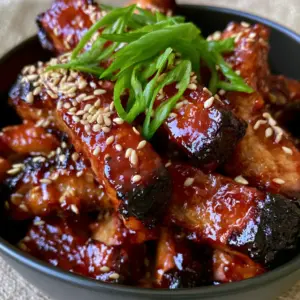
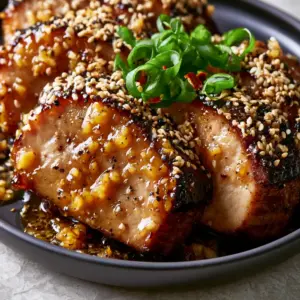
Experience the ultimate sensory explosion with this Chinese style pork, featuring succulent strips of tenderloin bathed in a glistening, mahogany-red glaze. This recipe captures the essence of traditional Cantonese BBQ but is optimized for the modern home kitchen using an air fryer to achieve those coveted charred edges.
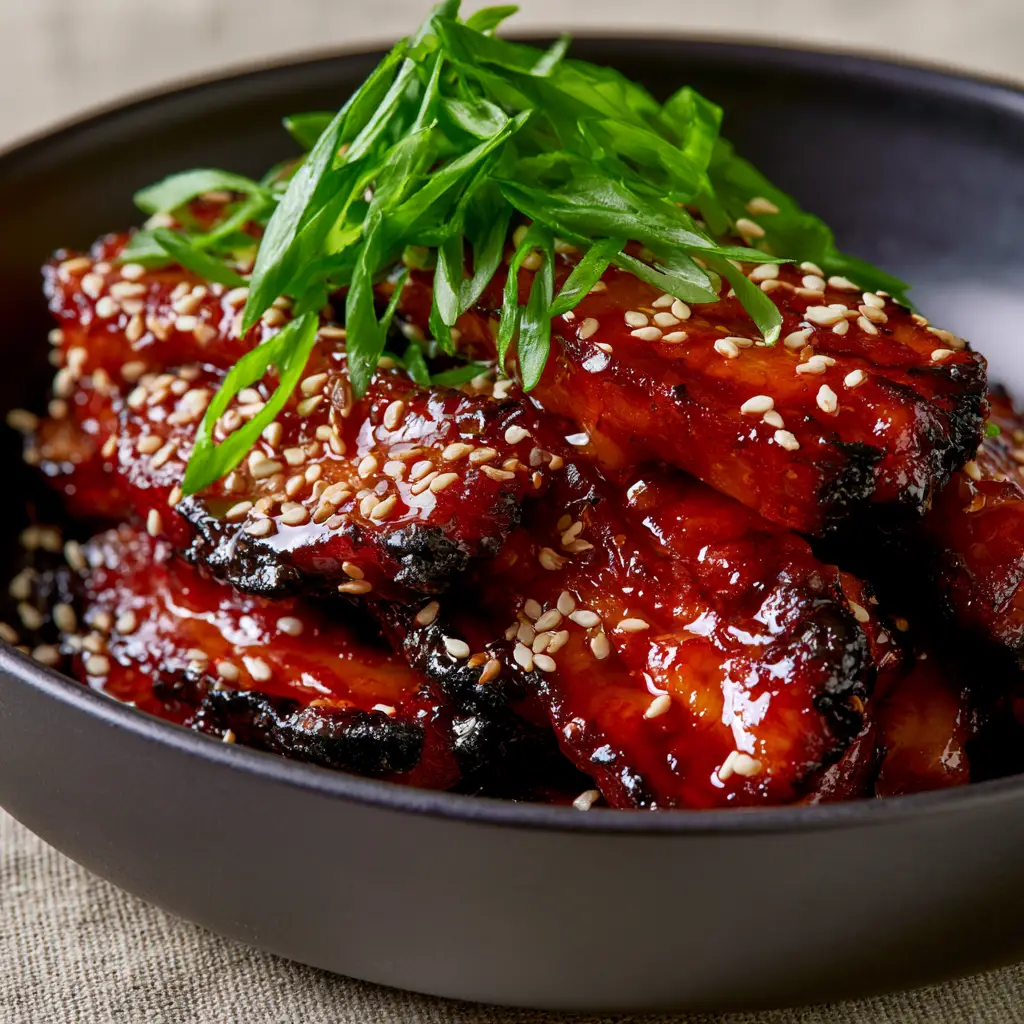
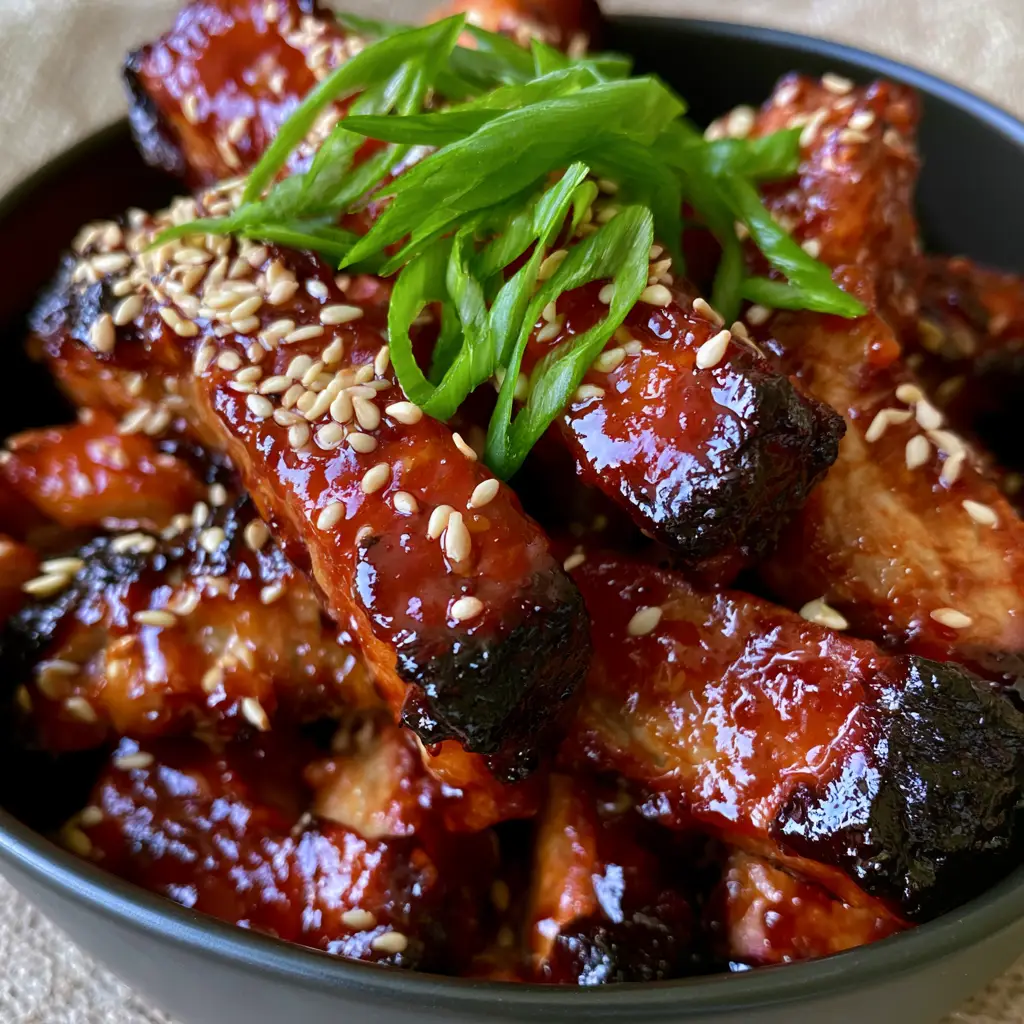
The visual appeal of this dish is undeniable, with the high-gloss reflections of the sticky sauce catching the light against a matte black ceramic bowl. Every bite offers a balance of sweet, savory, and aromatic spices, elevated by a heavy scatter of toasted white sesame seeds and fresh, bias-cut green scallions.
Whether you are looking for a weeknight “fakeaway” or a stunning centerpiece for a dinner party, this Chinese style pork delivers professional results with minimal effort. Let’s dive into the culinary science of achieving that perfect sticky bark and tender interior.
The Irresistible Allure of Air-Fried Sticky Pork
- Succulent Texture: The pork tenderloin remains incredibly juicy while the high-velocity heat of the air fryer creates caramelized, crispy edges.
- Visual Masterpiece: The deep mahogany-red hue, achieved through a blend of hoisin and honey, provides a restaurant-quality aesthetic.
- Complex Flavor Profile: A harmonious blend of five-spice powder, aromatic garlic, and savory soy sauce creates a deep umami base.
- Quick & Efficient: Unlike traditional roasting, the air fryer cuts cooking time in half while maximizing the Maillard reaction for better flavor.
The Secret Pantry for Authentic Sticky Pork
To recreate this Chinese style pork, you need specific ingredients that contribute to both the structural integrity of the glaze and the tenderness of the meat. Each component plays a vital role in the final visual and flavor profile.
Pork Tenderloin: This lean cut is perfect for quick cooking. Its fine grain ensures that every slice is tender, especially when cut against the grain after roasting.
Hoisin Sauce: The backbone of the mahogany glaze. It provides the thick consistency and the signature sweet-salty-pungent flavor necessary for that high-gloss finish.
Honey or Maltose: These sugars are essential for caramelization. They create the “sticky” factor and help the glaze adhere to the meat surfaces during the air-frying process.
Five-Spice Powder: A foundational spice blend (star anise, cloves, cinnamon, Sichuan pepper, and fennel seeds) that provides the unmistakable aroma of authentic Chinese BBQ.
Soy Sauce (Light and Dark): Light soy sauce provides salt and umami, while dark soy sauce contributes significantly to the deep, dark mahogany color of the finished dish.
Fresh Garlic and Ginger: These aromatics infuse the pork with sharp, bright notes that cut through the sweetness of the hoisin and honey.
Toasted White Sesame Seeds: These add a delicate crunch and a nutty finish, creating a beautiful visual contrast against the dark red pork strips.
Green Scallions: Sliced on a sharp bias, these provide a vibrant green pop of color and a fresh, peppery bite to balance the rich glaze.
Neutral Oil: A small amount of 1 tbsp (15ml) vegetable or canola oil helps to conduct heat and ensures the edges of the pork strips char without drying out.
Essential Tools for the Perfect Char
Achieving the specific “caramelized charred edges” mentioned in our visual blueprint requires the right equipment. While a traditional oven works, the air fryer is the superior choice for this specific recipe.
Air Fryer: The concentrated heat and rapid airflow are what create the high-gloss reflections and the slightly burnt, sweet edges on the pork strips.
Meat Thermometer: Precision is key. To ensure the pork remains “succulent and tender,” it must be pulled from the heat exactly when it reaches the safe internal temperature.
Matte Black Shallow Bowl: For the ultimate presentation, a matte finish on the serving vessel makes the glistening mahogany glaze of the Chinese style pork truly stand out.
Chef’s Knife: A sharp blade is required to achieve those clean, thin bias-cut scallion slices and the perfectly even strips of pork tenderloin.
Mastering the Mahogany Glaze: A Step-By-Step Guide
Preparing the Tenderloin for Maximum Flavor
Start by trimming any silver skin from your 1 lb (454g) pork tenderloin. This ensures the meat doesn’t toughen or curl as it cooks under the intense heat of the air fryer.
Slice the pork into thick strips, roughly 2 inches (5cm) wide. This increased surface area allows more of that mahogany-red glaze to coat the meat, ensuring flavor in every bite.
The Art of the 24-Hour Marinade
In a large bowl, whisk together 1/2 cup (120ml) hoisin sauce, 2 tbsp (30ml) honey, 1 tbsp (15ml) soy sauce, and 1 tsp (2g) five-spice powder. Add your minced garlic and grated ginger.
Reserve about 1/4 cup (60ml) of this mixture for final glazing. Submerge the pork in the remaining marinade and refrigerate for at least 4 hours, though overnight is preferred for deep color penetration.
Air Frying for That Signature Char
Preheat your air fryer to 400°F (200°C). Lightly grease the basket with 1 tsp (5ml) of oil to prevent the sugars in the glaze from sticking too aggressively to the metal.
Place the pork strips in a single layer, ensuring they are not touching. Air fry for 12-15 minutes, flipping halfway through. During the last 3 minutes, brush the reserved glaze onto the pork for that extra glistening finish.
Listen for the sizzle; that is the sound of the sugars caramelizing. Look for the edges to turn a dark, almost black-red—this is the “charred edge” that defines the Chinese style pork aesthetic.
The Essential Resting Period
Once the internal temperature reaches 145°F (63°C), remove the pork from the air fryer. Transfer it to a cutting board and let it rest for at least 8 minutes.
Resting allows the juices to redistribute, ensuring the meat remains “succulent and tender” when sliced. If you cut too soon, the mahogany glaze will run off, and the meat will dry out.
Slicing and Final Presentation
Slice the pork strips into 1/2-inch (1.25cm) pieces. You should see a beautiful contrast between the dark mahogany exterior and the pale, juicy interior of the meat.
Pile the pork high in a modern matte black shallow bowl. This height creates a sense of abundance and allows the “side-lit natural window light” to play off the glossy surfaces of the meat.
Expert Secrets for Culinary Success
- The Sugar Balance: If your glaze is too thin, simmer the reserved portion in a small pan for 3 minutes before brushing it onto the cooked pork to thicken it.
- Temperature Control: Avoid overcooking! Pork tenderloin can go from succulent to dry in just sixty seconds. Always use a digital probe.
- The Color Hack: For that vibrant “red” look seen in restaurants, you can add a drop of red food coloring or 1/2 tsp (1g) of beet powder to the marinade.
- Crowding the Basket: Never overlap the meat. Airflow is the secret to the “blistered” and charred texture. If needed, cook in two batches.
Preserving the Quality: Storage and Reheating
This Chinese style pork is best enjoyed fresh, but it stores remarkably well. Place leftovers in an airtight container and refrigerate for up to 3 days.
To reheat while maintaining the “glistening” look, use the air fryer at 350°F (175°C) for 3-4 minutes. Avoid the microwave, as it will toughen the pork and make the glaze soggy.
You can freeze the marinated (uncooked) pork for up to 2 months. Simply thaw in the refrigerator overnight before following the air-frying instructions as usual.
Perfect Pairings for a Complete Feast
This savory and sweet pork needs the right companions to shine. Serving it over a bed of jasmine rice is classic, but you can elevate the meal significantly with these pairings.
For a complete Asian-inspired spread, consider serving this alongside classic chicken fried rice or even a more specialized Japanese BBQ chicken fried rice for a fusion twist.
If you prefer a lighter side, these refreshing summer dinner ideas often include cucumber salads that cut through the richness of the hoisin glaze perfectly.
For those who love pork-centric meals, you might also enjoy exploring other easy dinner pork recipes or trying your hand at crockpot pork potstickers for your next gathering.
Common Questions About Chinese Style Pork
Yes, pork shoulder (butt) works well but requires a longer cooking time at a slightly lower temperature to break down the fat. Tenderloin is faster and leaner for quick weeknight meals.
The key is to not overcook it. Pull the pork when it reaches an internal temperature of 145°F (63°C) and let it rest for at least 8-10 minutes before slicing to lock in the juices.
The deep mahogany color comes from using dark soy sauce and hoisin. For a more natural red hue, you can add half a teaspoon of beet powder or red yeast rice powder to the marinade.
Most standard hoisin sauces contain wheat. If you are gluten-sensitive, look for a specifically labeled gluten-free hoisin sauce and substitute the soy sauce with tamari.
This usually happens if the air fryer basket is overcrowded or the pork was too wet. Pat the pork dry before marinating and ensure there is space between the strips for air circulation.
The Ultimate Chinese Style Pork Recipe Card
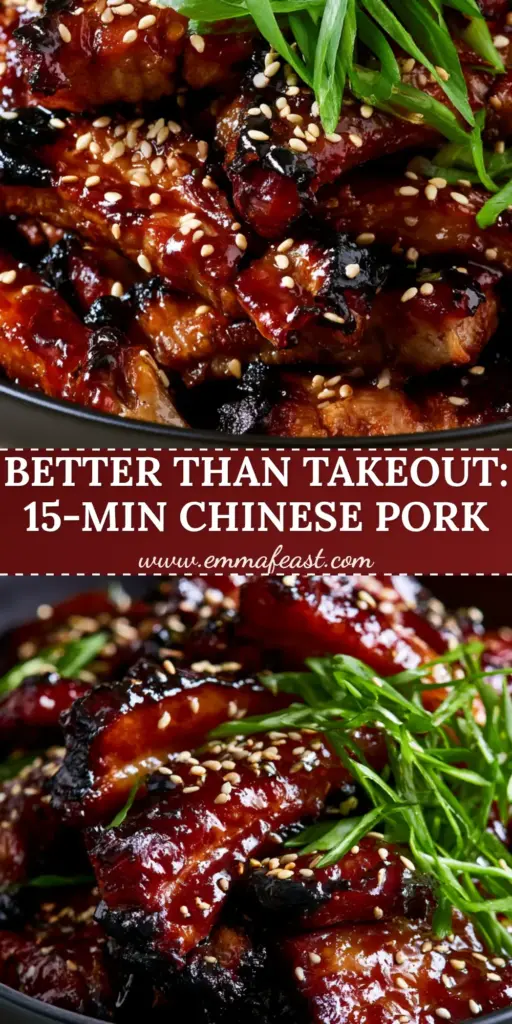
Chinese style pork with Sticky Mahogany Hoisin Glaze
Ingredients
Equipment
Method
- Trim the pork tenderloin and slice into 2-inch wide strips to maximize surface area for the glaze.
- In a bowl, combine hoisin, honey, soy sauce, five-spice, garlic, and ginger. Reserve 1/4 cup for later.
- Coat the pork strips in the remaining mixture and refrigerate for at least 4 hours.
- Preheat your air fryer to 400°F (200°C) and lightly grease the basket with oil.
- Place pork in a single layer. Cook for 12-15 minutes, flipping halfway through for even charring.
- During the last 3 minutes of cooking, brush the reserved glaze onto the pork until it looks glistening and mahogany-red.
- Remove pork when internal temp is 145°F and rest for 8 minutes on a cutting board.
- Slice into strips, pile high in a matte black bowl, and top with sesame seeds and bias-cut scallions.
Notes
Use dark soy sauce if you want an even deeper mahogany color.
Bring the Flavors of the Orient Home
This Chinese style pork is more than just a meal; it’s a sensory experience that combines professional culinary techniques with the ease of home cooking. The combination of the mahogany-red glaze and the charred, caramelized edges creates a dish that looks as good as it tastes.
We invite you to try this recipe and share your results! Did you get that perfect char? Let us know in the comments below. For more visual inspiration and daily recipe updates, be sure to follow us on Pinterest and save this pin to your favorite dinner boards.