There is a specific kind of magic that happens in a high-heat wok, where thinly sliced beef meets a viscous, dark glaze and vibrant vegetables. This pepper steak recipe isn’t just another quick stir-fry; it is a masterclass in Chinese-American culinary techniques designed to bring restaurant-quality results to your home kitchen. From the tenderizing “velveting” process to the blistered skins of the bell peppers, every element is crafted for maximum sensory impact.
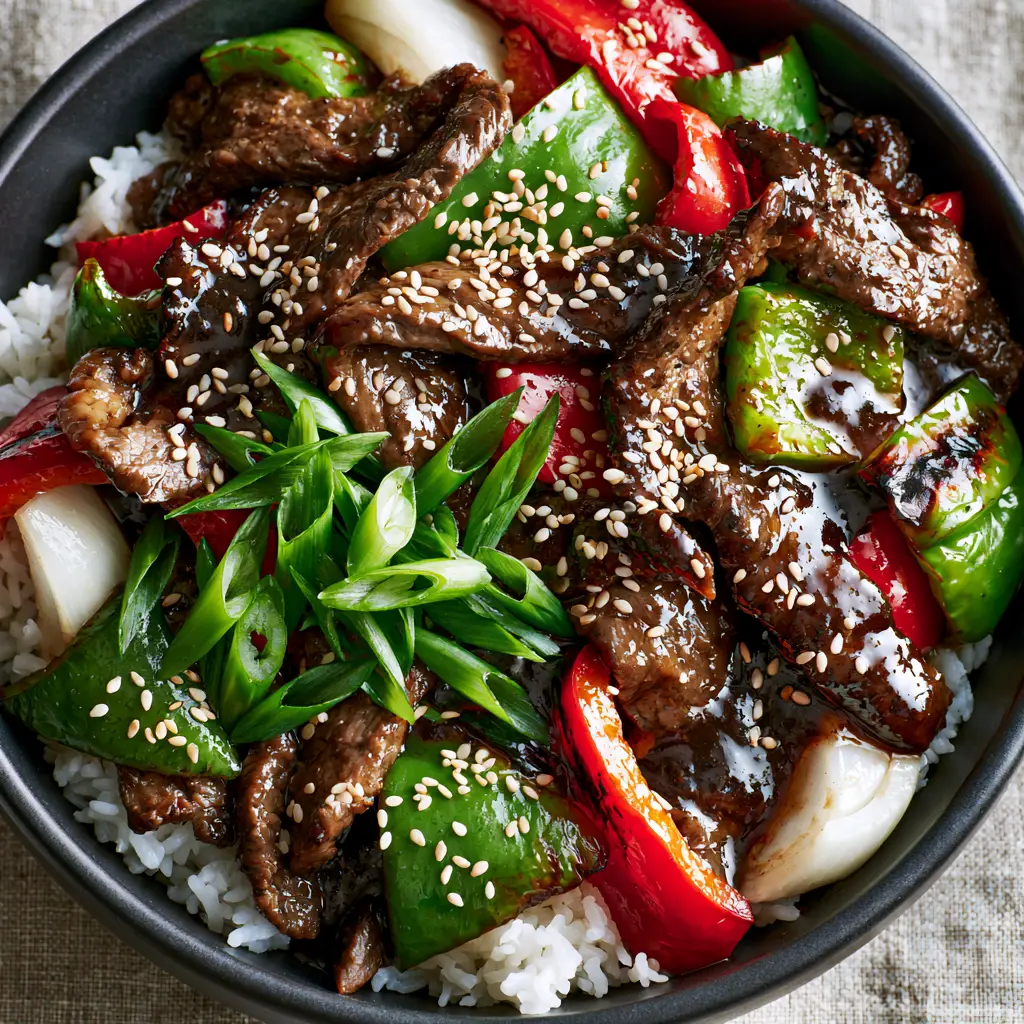
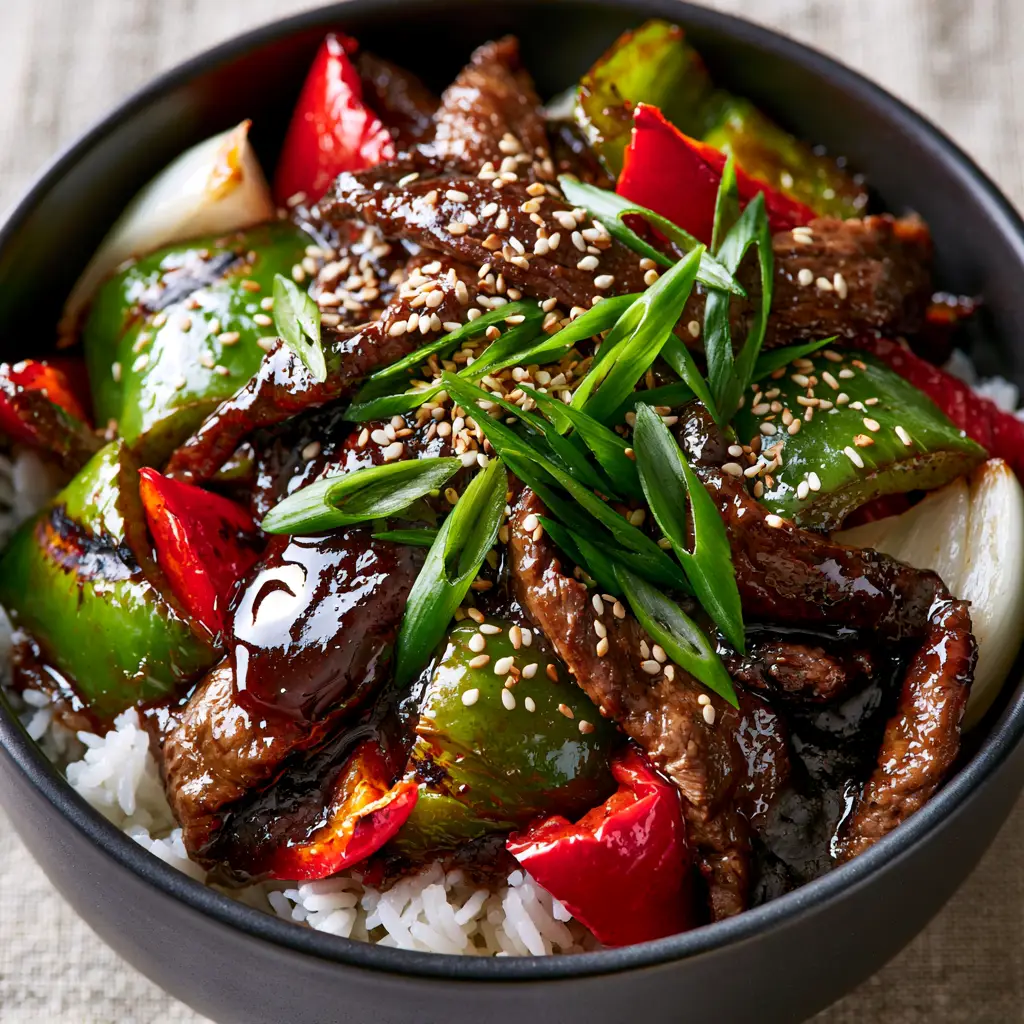
When you look at a professional plate of classic pepper steak, you notice a distinct, syrupy sheen that clings to every morsel of meat. This recipe replicates that exact depth of field and texture you see in high-end food photography, combining the saltiness of oyster sauce with the aromatic bite of cracked black pepper. Whether you are serving this over a steaming bed of jasmine rice or as a standalone protein, the results are consistently spectacular.
If you have ever wondered why home-cooked beef often turns out chewy while restaurant beef stays supple, the secret lies in the preparation. By the time you finish this guide, you will understand the science of alkalinity in meat and the importance of high-smoke-point oils. Let’s dive into the architecture of this iconic dish.
Why This Is the Only Beef and Pepper Stir-Fry You Will Ever Need
- The Velveting Secret: We use a traditional cornstarch and soy marinade to ensure the flank steak remains incredibly tender and “velveted” even after a high-heat sear.
- Blistered Perfection: Unlike soggy vegetables, our technique focuses on high-heat blistering for the green and red bell peppers, preserving their snap and adding a hint of char.
- Viscous Umami Glaze: The sauce is built on a foundation of dark soy and oyster sauce, creating a thick, syrupy consistency that coats the ingredients without pooling at the bottom of the bowl.
- Visual Contrast: With vibrant red and green peppers against a matte black ceramic bowl, this dish is as beautiful as it is delicious, finished with toasted sesame seeds and bright scallions.
The Anatomy of Flavor: Essential Ingredients and Science-Backed Substitutions
Flank Steak (1.5 lbs / 680g): This lean cut is the gold standard for stir-fry because of its long muscle fibers, which become incredibly tender when sliced thin across the grain. If you cannot find flank, top sirloin or thinly sliced pork medallions can work as a protein alternative.
Dark Soy Sauce (2 tbsp / 30ml): Unlike regular soy, dark soy sauce provides that deep, mahogany color and a slightly sweeter, less salty profile that is essential for a glossy finish. It is the secret to the “restaurant look” of the beef strips.
Oyster Sauce (3 tbsp / 45ml): This is the backbone of the umami profile, providing a thick texture and a complex savory-sweetness that binds the sauce together. It creates the visible viscous consistency described in the visual blueprint.
Cornstarch (1 tbsp / 8g): Used in both the marinade (for velveting) and the sauce (for thickening), cornstarch is the “invisible” ingredient that ensures the meat is silky and the sauce is syrupy.
Green and Red Bell Peppers (1 each): Chipped into large chunks, these provide the “blistered” visual. The different colors offer varied sweetness levels and a striking contrast against the dark meat.
White Onion (1 large): Sliced into thick wedges, the onion provides a structural crunch and a foundational sweetness that balances the heat of the black pepper. Similar to the base of pepper steak and onions, these are sautéed until just softened.
Aromatic Base (Ginger & Garlic): Freshly minced ginger and garlic are non-negotiable for creating the aromatic “breath of the wok” (Wok Hei) that defines high-quality Chinese cuisine.
Toasted Sesame Oil (1 tsp / 5ml): Added at the very end, this oil provides a nutty aroma that complements the toasted white sesame seed garnish perfectly.
Professional Tools for a Flawless Stir-Fry Result
To achieve the “blistered” look and “velveted” texture, you need a heavy-bottomed carbon steel wok or a large cast-iron skillet. These materials retain heat exceptionally well, allowing you to sear the beef quickly without steaming it in its own juices. A sharp chef’s knife is also essential for achieving those paper-thin, uniform beef strips.
High-heat spatulas or a “wok hoak” are preferred for tossing the ingredients rapidly. Since we are aiming for a “handheld smartphone photo” aesthetic, serving the dish in a modern matte black ceramic bowl will make the glossy sauce and vibrant peppers pop visually.
Mastering the Technique: Step-by-Step Execution
Phase 1: The Velveting and Marination Process
Begin by slicing your flank steak across the grain into 1/8-inch (3mm) thick strips. In a medium bowl, whisk together 1 tablespoon (15ml) of soy sauce, 1 teaspoon (5g) of cornstarch, and a pinch of baking soda. This mixture creates an alkaline environment that prevents the muscle fibers from tightening up during cooking.
Let the beef marinate for at least 20 minutes. You will notice the meat takes on a slightly translucent appearance; this is the physical sign that the velveting process is working. This step is what separates a standard beef stir-fry from a professional beef bowl experience.
Phase 2: Preparing the Viscous Dark Glaze
While the beef marinates, whisk together the dark soy sauce, oyster sauce, beef broth, brown sugar, and the remaining cornstarch in a small jug. Ensure there are no lumps of starch at the bottom. The sauce should look opaque and dark, promising a syrupy finish once it hits the heat of the pan.
Phase 3: Achieving the High-Heat Sear
Heat 2 tablespoons (30ml) of high-smoke-point oil (like vegetable or grapeseed oil) in your wok until a wispy veil of smoke appears. Add the beef strips in a single layer. Resist the urge to stir immediately; let the meat develop a deep, dark crust for about 60 seconds.
Flip the beef and cook for another 30 seconds until just browned but still tender in the center. Remove the beef from the wok and set aside. The beef should look incredibly glossy and show that specific “velveted” texture described in the visual prompt.
Phase 4: Blistering the Peppers and Onions
Wipe out the wok and add another tablespoon of oil. Toss in the large chunks of green and red bell peppers and the white onion wedges. Cook on high heat for 2-3 minutes. Look for “char marks” or small black spots on the skins of the peppers while the onions remain crisp-tender.
Phase 5: The Final Emulsification
Add the garlic and ginger to the vegetables, stirring for 30 seconds until fragrant. Return the beef and any accumulated juices to the wok. Pour the sauce mixture over the ingredients. Within 45-60 seconds, the sauce will transition from a liquid to a thick, syrupy glaze that clings to every piece of meat and pepper.
Expert Tips for the Perfect Takeout-Style Finish
- Don’t Overcrowd the Pan: If your wok isn’t large enough, sear the beef in two batches. Overcrowding leads to steaming, which ruins the “velveted” seared texture.
- Cold Rice vs. Fresh Rice: While noodles are great, this recipe is designed for a “steamed jasmine rice foundation.” Ensure your rice is fluffy and hot to absorb the syrupy sauce.
- Slicing Tip: Place your beef in the freezer for 15-20 minutes before slicing. The slight firmness makes it much easier to get those professional, thin strips.
- The Garnish Rule: Always toast your sesame seeds in a dry pan for 1-2 minutes until golden. This amplifies the nuttiness and provides a visible highlight against the dark sauce.
Storage, Reheating, and Meal Prep Advice
This pepper steak recipe holds up remarkably well for meal prep. Store leftovers in an airtight container in the refrigerator for up to 3 days. To maintain the “velveted” texture, reheat in a skillet over medium heat with a splash of water or beef broth to loosen the syrupy sauce.
Avoid microwaving on high power, as this can toughen the beef strips. If you must use a microwave, use the 50% power setting and stir halfway through. The peppers will lose some of their “blistered” snap but will remain flavorful as they continue to marinate in the dark umami glaze.
What to Serve With Your Pepper Steak
While jasmine rice is the traditional foundation, you can experiment with other bases to keep your weekly menu exciting. For a low-carb twist, try serving the beef and peppers over roasted cauliflower steaks. If you want a fusion experience, the glossy sauce pairs beautifully with crispy potato waffles.
For a full Chinese-inspired spread, consider starting your meal with salt and pepper pork or some light turkey lettuce wraps to balance the richness of the steak’s dark oyster sauce glaze.
Frequently Asked Questions
Absolutely! While green and red bell peppers are traditional, you can add snap peas, broccoli, or baby corn. Just ensure you cook them quickly on high heat to maintain their crunch.
The glossy sheen comes from a combination of oyster sauce and a cornstarch slurry. Dark soy sauce is added for the deep mahogany color, while the cornstarch ensures the sauce reaches a syrupy, viscous consistency that clings to the meat.
Flank steak is preferred for its flavor and ease of slicing. However, flat iron steak or top sirloin are excellent alternatives. Always slice against the grain for the most tender results.
The secret is ‘velveting’—marinating the beef in a mixture of cornstarch, soy sauce, and a touch of baking soda. This process breaks down muscle fibers and creates a protective coating that stays silky during high-heat frying.
Soggy peppers occur when the pan isn’t hot enough or is overcrowded. To get blistered skins with char marks, use a high-smoke-point oil and cook the peppers in a very hot wok in small batches if necessary.
The Complete Pepper Steak Recipe Card
Pepper Steak Recipe: The Ultimate Guide to Velveted Beef and Glossy Umami Sauce
Ingredients
Equipment
Method
- Mix sliced beef with cornstarch, soy sauce, and baking soda. Marinate for 20 minutes to achieve a 'velveted' texture.
- Whisk dark soy sauce, oyster sauce, beef broth, brown sugar, and a teaspoon of cornstarch until smooth.
- Heat oil in a wok until smoking. Sear beef strips in batches until deep brown and glossy. Remove and set aside.
- In the same wok, stir-fry peppers and onions on high heat until the pepper skins are blistered and onions are softened.
- Add garlic and ginger for 30 seconds. Return beef to the wok and pour in the sauce. Stir until the glaze is thick and syrupy. Garnish with sesame seeds and scallions.
Notes
Ensure the wok is smoking hot before adding the vegetables to get that signature char.
Closing Thoughts on Mastering Home Stir-Fry
Creating a restaurant-quality pepper steak recipe is about respecting the process of heat and texture. By mastering the velveting technique and ensuring your sauce reaches that syrupy, viscous consistency, you elevate a simple weeknight meal into a gourmet experience. We hope this dish becomes a staple in your rotation!
Did you try this recipe? We would love to hear how your “blistered” peppers turned out! Leave a comment below, sign up for our newsletter for more elite culinary guides, and be sure to share your creations to Pinterest.