There is nothing quite like the crunch of a perfectly executed potato waffle recipe. If you are tired of limp, soggy waffles, this Belgian-style version is your culinary breakthrough. We are moving beyond the frozen aisle to create something truly artisanal: deep, craggy ridges with a shatteringly crisp exterior and a fluffy, savory interior.
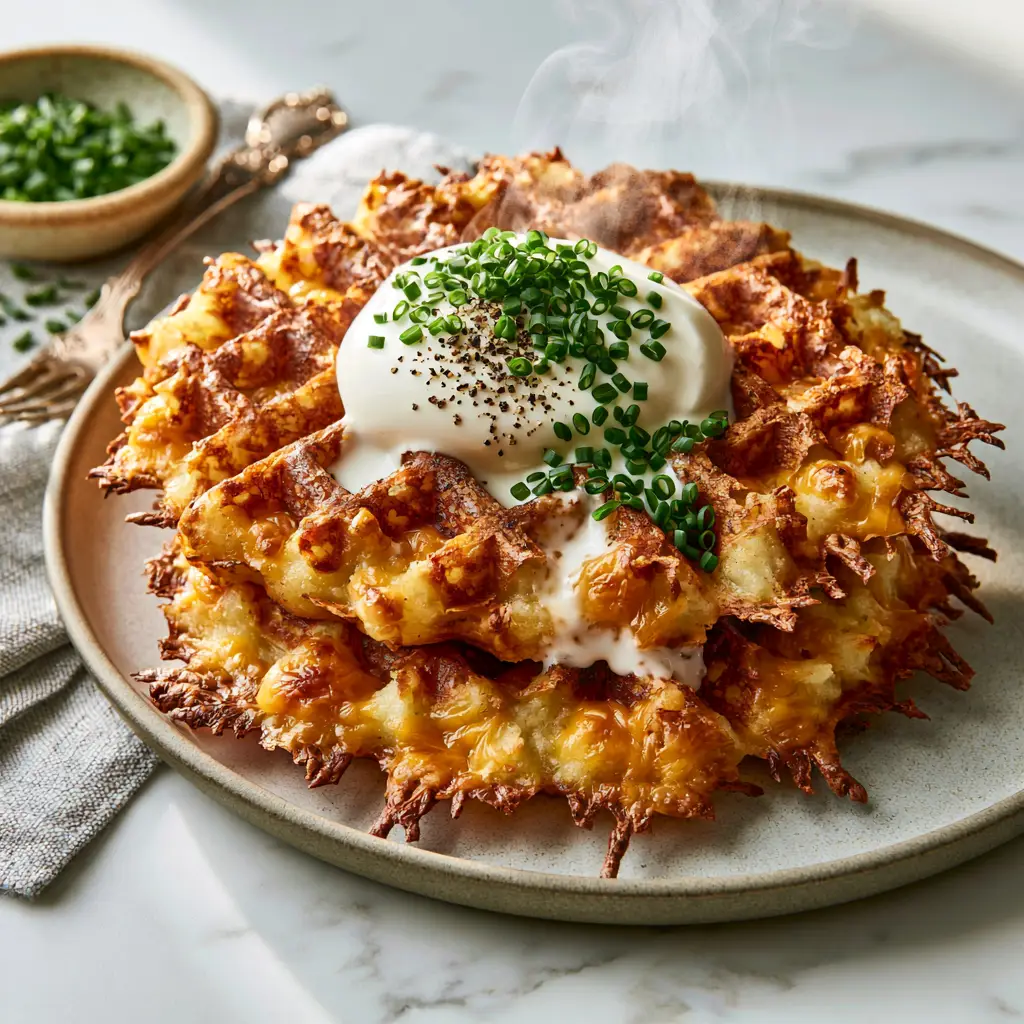
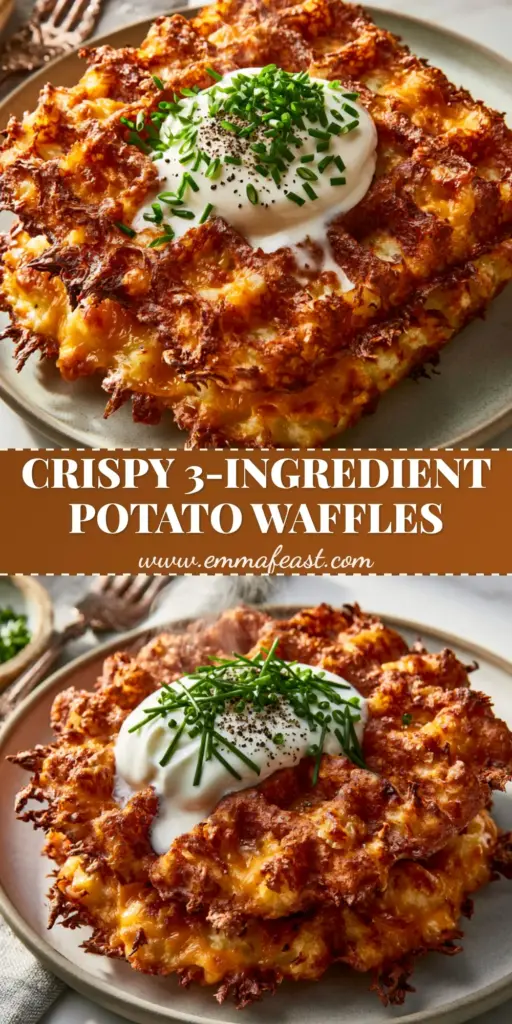
Imagine a top-down view of two thick waffles, their golden-brown surfaces glistening with bits of melted, toasted cheddar cheese embedded directly into the crust. As you pull them from the iron, wisps of rising steam carry the aroma of toasted dairy and earthy potato. A thick dollop of cool creme fraiche begins to melt into the warm grooves, creating a luxurious contrast of temperatures.
This isn’t just a side dish; it is a center-of-the-table showstopper. Whether you are planning a sophisticated brunch or looking for high-protein dinners that feel indulgent, these waffles provide the perfect textural foundation for any meal.
Why These Crispy Belgian Potato Waffles Are a Game Changer
- Structural Integrity: Unlike standard recipes, we use a specific starch-to-potato ratio to ensure the waffles maintain their “craggy ridges” without collapsing under toppings.
- The Toasted Cheese Crust: By folding sharp cheddar directly into the batter, the cheese contacts the hot waffle iron, creating a savory “frico” or toasted cheese lace effect.
- Shatter-Crisp Texture: We utilize the science of moisture evaporation to ensure every bite provides an audible crunch, highlighted by coarse sea salt flakes.
- Versatile Pairing: These waffles act as the ultimate vessel, pairing just as well with a savory pepper steak as they do with simple fresh herbs.
The Anatomy of a Perfect Potato Waffle: Ingredients and Substitutions
Success in this potato waffle recipe starts with the chemistry of your ingredients. Each component serves a specific structural or flavor-based purpose to achieve that Belgian-style height.
Russet or Starchy Potatoes: You will need 2 lbs (907g) of potatoes. Russets are essential because their high starch content leads to a fluffier interior and a crispier exterior compared to waxy varieties like Yukon Golds.
Sharp White Cheddar: Use 1.5 cups (170g) of freshly grated cheddar. Pre-shredded cheese is coated in cellulose, which prevents that perfect “melted toasted” visual we are aiming for in the final dish.
All-Purpose Flour: 1 cup (125g) of flour provides the necessary gluten structure. This ensures the waffle doesn’t fall apart when you lift it from the iron with a vintage silver fork.
Baking Powder: 1 tbsp (12g) is the secret to the “rising steam” and airy texture. It reacts with the heat to create micro-bubbles, lightening the heavy potato base.
Large Eggs: 2 large eggs act as the primary binder. They emulsify the fats and starches, ensuring the waffle holds those deep, Belgian-style ridges.
Full-Fat Buttermilk: 1/2 cup (120ml) adds a subtle tang that cuts through the richness of the cheese. The acidity also helps tenderize the gluten in the flour.
Unsalted Butter: 4 tbsp (56g) of melted butter is added to the batter for flavor and to aid in the searing process. This is what creates that “golden-brown” hue.
Creme Fraiche: For the topping, use a high-quality, thick creme fraiche. Its high fat content means it will melt slowly into the warm grooves rather than running off like sour cream might.
Fresh Chives and Spices: You will need 1/4 cup (10g) of finely sliced fresh chives, 1 tsp (6g) of cracked black pepper, and 1 tsp (6g) of coarse sea salt flakes for that final sensory pop.
Essential Equipment for Authentic Food Photography Results
To achieve the visual results seen in our authentic food photography, you need the right tools. A standard thin waffle iron won’t create the deep grooves necessary for the creme fraiche to pool.
A Belgian Waffle Maker is non-negotiable for this recipe. You want the deep-grid style to create the “craggy ridges” that define this dish’s architecture.
A Potato Ricer or food mill is highly recommended. Ricing the potatoes ensures a completely smooth base without overworking the starch, which can lead to a gummy texture.
Finally, a Wire Cooling Rack is vital. Placing hot waffles directly onto a plate causes steam to trap underneath, softening the crust. The rack allows air to circulate, maintaining that “extreme crispy texture.”

Step-by-Step Instructions: Mastering the Golden-Brown Crunch
Step 1: Preparing the Potato Foundation
Peel and cube your russet potatoes, then boil in salted water until fork-tender, about 15 minutes. Drain thoroughly and let them sit in the colander for 2 minutes to allow excess steam to escape—moisture is the enemy of crispiness.
Pass the warm potatoes through a ricer into a large mixing bowl. Measure out approximately 3 cups (680g) of riced potatoes for the batter. If you have leftovers, they are great for ground turkey lettuce wraps later in the week.
Step 2: Constructing the Savory Batter
In a separate bowl, whisk together the flour, baking powder, sea salt, and cracked black pepper. In a small jug, combine the buttermilk, melted butter, and eggs, whisking until smooth.
Gently fold the wet ingredients and the dry ingredients into the riced potatoes. Use a spatula to combine until just mixed—overmixing will make the waffles tough rather than fluffy.
Step 3: The Toasted Cheese Integration
Fold in the 1.5 cups (170g) of grated sharp cheddar. Ensure the cheese is distributed evenly so that every square inch of the waffle iron will come into contact with a pocket of cheese, creating that “melted, toasted cheddar” crust.
Step 4: Searing and Waffling
Preheat your Belgian waffle iron to its highest setting. Lightly brush the plates with oil or butter. Scoop about 3/4 cup (180ml) of batter into the center of the iron.
Close the lid and cook for 5-7 minutes. Do not open the lid early! Look for the sensory cue: when the “rising steam” significantly dissipates, the waffle is likely done. The exterior should be a deep golden-brown with visible charred cheese bits.
Step 5: The Final Flourish
Transfer the waffles to a plate. While still hot, add a perfect, thick dollop of white creme fraiche to the center. Garnish with a precise sprinkle of vibrant green, thinly sliced chives and an extra crack of black pepper.
Expert Tips for the Ultimate Potato Waffle
- The Steam Rule: Only remove the waffle when the steam stops. Steam is water leaving the batter; once it stops, the surface can finally begin to dehydrate and become crispy.
- Temperature Control: Ensure your potatoes are still warm when mixing. Cold starch doesn’t bond as well with the flour and eggs, which could lead to a crumbly waffle.
- Cheese Placement: If you want an extra-crispy exterior, sprinkle a tiny bit of extra cheese directly onto the waffle iron plate right before adding the batter.
- Don’t Stack Too Soon: If you aren’t serving immediately, keep them in a 200°F (95°C) oven on a wire rack to maintain the crunch.
Storage, Reheating, and Make-Ahead Advice
These waffles are surprisingly resilient. You can store leftovers in an airtight container in the refrigerator for up to 3 days. They also freeze beautifully—simply flash-freeze them on a baking sheet before transferring to a freezer bag for up to 3 months.
To reheat and reclaim that “extreme crispy texture,” avoid the microwave at all costs. Instead, use a toaster or an air fryer at 350°F (175°C) for 3-5 minutes. This will re-toast the cheddar cheese and crisp up the craggy ridges perfectly.
What to Serve With This Potato Waffle Recipe
While these waffles are a meal in themselves, they play well with others. For a hearty breakfast, pair them with a breakfast sandwich spread or crispy bacon. If you are serving these for dinner, they are the perfect base for crispy chicken thighs or even a rich pork medallion with gravy.
For a lighter option, a side of roasted cauliflower steaks provides a nice earthy balance to the sharpness of the toasted cheddar and the tang of the creme fraiche.
Frequently Asked Questions
Absolutely. You can substitute the all-purpose flour with a 1:1 gluten-free baking blend. Since potatoes provide most of the structure, the texture remains remarkably similar.
Yes, but you may need to add an extra tablespoon of flour or cornstarch. Leftover mashed potatoes often contain milk or cream, which can make the batter too wet for a truly crispy finish.
You must use a Belgian-style waffle iron. Standard waffle makers have shallow grids that won’t hold enough batter to create the thick, rustic texture of a true Belgian potato waffle.
Russet potatoes are the gold standard. Their high starch content and low moisture ensure the waffles become crispy on the outside while remaining light and fluffy on the inside.
This usually happens if the iron wasn’t hot enough or if you tried to open it before the steam stopped rising. The cheese also needs a moment to ‘frico’ and release from the plates naturally.
The Ultimate Crispy Potato Waffle Recipe Card
Potato Waffle Recipe with Crispy Toasted Cheddar and Creme Fraiche
Ingredients
Equipment
Method
- Boil cubed potatoes in salted water for 15 minutes until tender. Drain well and let steam dry for 2 minutes. Pass through a ricer into a large bowl.
- Whisk flour, baking powder, salt, and pepper in one bowl. In another, whisk buttermilk, eggs, and melted butter. Combine both with the riced potatoes.
- Gently fold in the grated cheddar cheese until evenly distributed throughout the thick batter.
- Preheat Belgian waffle iron to high. Scoop 3/4 cup of batter and cook for 5-7 minutes until steam stops rising and the crust is deep golden-brown.
- Plate the hot waffles, top with a thick dollop of creme fraiche, sliced chives, and extra cracked pepper.
Notes
For extra crispiness, reheat leftovers in an air fryer at 350°F.
Bringing the Belgian Cafe Home
Mastering this potato waffle recipe is about embracing the details—the choice of potato, the quality of the cheese, and the patience to wait for the steam to clear. The result is a dish that looks like it belongs in a high-end food magazine but feels like the ultimate comfort food.
If you enjoyed this recipe, please leave a comment below and let us know how your toasted cheddar crust turned out! Don’t forget to share your creations and follow us on Pinterest for more culinary inspiration.