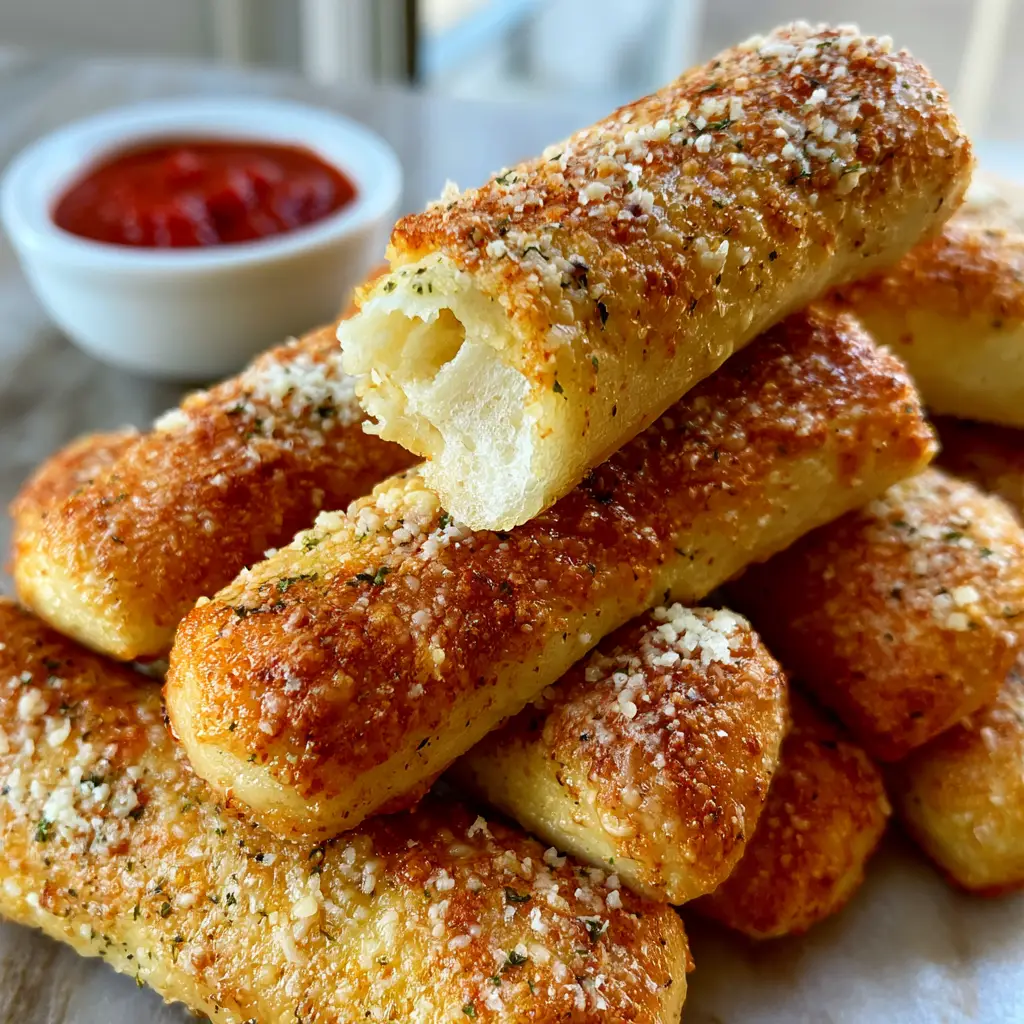
There is a specific sensory memory tied to opening a warm paper bag of Little Caesars breadsticks. The steam hits your face, carrying the intoxicating aroma of salty butter and pungent garlic. You reach in, and your fingers immediately catch that glistening, buttery sheen and the grit of finely grated parmesan cheese. It is the quintessential comfort food—a soft, airy yeast dough that pulls apart with just the right amount of resistance.
In this definitive guide, we are recreating that viral social media aesthetic right in your kitchen. Using a professional culinary approach to yeast hydration and a double-glazing technique, you will achieve breadsticks that are indistinguishable from the original. We are talking about golden-brown exteriors, a cloud-like interior, and that signature thick red marinara dipping sauce that ties everything together.
The Science of the Perfect Copycat Breadstick Texture
Achieving the legendary Little Caesars texture isn’t an accident; it’s a result of controlled fermentation and specific fat application. To get that smartphone-POV-worthy “slight stretch,” we focus on three pillars of breadstick excellence:
- High-Hydration Dough: We use a specific water-to-flour ratio to ensure the interior remains pillowy and soft, preventing the bread from becoming dense or crusty like a traditional baguette.
- The Salted Butter Emulsion: Unlike many recipes that use oil, we utilize melted salted butter to provide that rich, glistening finish that anchors the granulated garlic and parsley.
- Granulated Aromatics: By using granulated garlic instead of fresh, we achieve a uniform flavor profile that mimics the commercial seasoning without the risk of burning fresh garlic bits in the oven.
Essential Components for Your Garlic Parmesan Breadsticks
To replicate the Little Caesars experience, you must use high-quality ingredients that serve a specific structural or flavor purpose. Here is what you will need for the dough and the iconic “Crazy” topping.
The Yeast Dough Foundation
All-Purpose Flour: 3.5 cups (435g). We choose all-purpose over bread flour here to keep the crumb tender and soft rather than overly chewy. It provides the perfect “pillowy” structure seen in our visual blueprint.
Warm Water: 1.25 cups (300ml). It is vital that this is between 105°F and 115°F (40°C-46°C) to activate the yeast without killing the delicate cultures. This moisture creates the steam necessary for the breadsticks to rise rapidly in the oven.
Instant Yeast: 2.25 tsp (7g). One standard packet. Instant yeast allows for a faster rise while still developing that classic fermented aroma we associate with fresh pizzeria dough.
Granulated Sugar: 1 tbsp (12g). Sugar acts as the primary fuel for the yeast, ensuring a vigorous rise and contributing to the light golden-brown browning of the crust.
Kosher Salt: 1 tsp (6g). Salt tightens the gluten structure and regulates the yeast, ensuring the dough doesn’t over-expand and lose its shape.
The Glistening Garlic Parmesan Glaze
Melted Salted Butter: 4 tbsp (56g). This is the “glue” for our toppings. Using salted butter is non-negotiable; it provides that hit of sodium that makes the Little Caesars flavor profile so addictive.
Granulated Garlic: 1 tsp (3g). Also known as garlic powder, this ensures an even coating. It dissolves slightly into the butter, creating a uniform garlic punch in every bite.
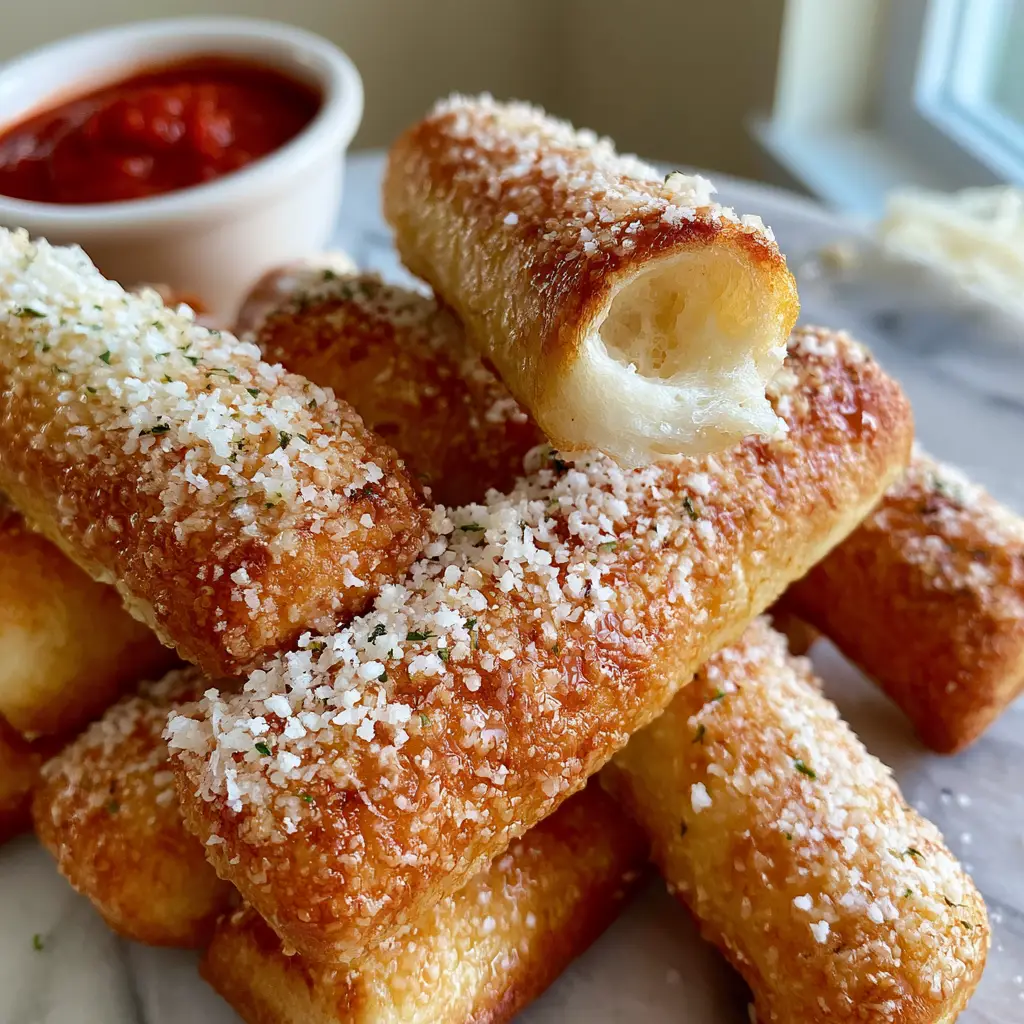
Finely Grated Parmesan: 0.25 cup (25g). You want the texture of “sand.” This fine grate allows the cheese to melt slightly into the butter glaze, creating a visible, textured layer on the golden-brown dough.
Dried Parsley Flakes: 0.5 tsp. These are purely for the visual “specks” described in the blueprint. They provide a pop of color and a subtle earthy note to the finish.
Tools for Pizzeria-Quality Results
While you don’t need a commercial deck oven, a few specific tools will help you achieve the “POV smartphone photo” look. A large rimmed baking sheet is essential for capturing any runoff butter, ensuring the bottoms of the breadsticks fry slightly in the fat. A silicone pastry brush is the best tool for applying the glaze without deflating the soft, airy dough. Finally, a pizza cutter or a bench scraper is necessary to get those perfectly uniform, straight edges that characterize Little Caesars style breads.
Mastering the Homemade Little Caesars Technique
Hydrating and Kneading the Dough
Start by whisking your warm water, sugar, and yeast in a large bowl. Let it sit for 5-10 minutes until a thick foam forms on the surface; this is your “visual cue” that the yeast is alive and hungry. Slowly incorporate the flour and salt. If using a stand mixer, use the dough hook on medium-low speed for about 5-7 minutes. You are looking for the dough to “clean the sides of the bowl.” It should be tacky to the touch but not stick to your fingers when pulled. If it’s too sticky, add flour one tablespoon at a time.
The First Proof: Building the Air
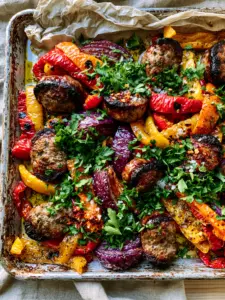
Place the dough in a lightly oiled bowl and cover it with a warm, damp cloth. Allow it to rise in a draft-free environment for 60 minutes, or until it has doubled in size. This step is critical for the “pillowy” interior. Without a proper proof, your breadsticks will be dense and heavy. While the dough rises, this is a great time to prepare a side like this sausage and peppers recipe for a full Italian-American feast.
Shaping and Slicing
Gently punch down the dough to release excess gas. Turn it out onto a lightly floured surface and roll it into a large rectangle, roughly 1/2 inch (1.25cm) thick. Using your pizza cutter, slice the dough into strips about 1 inch (2.5cm) wide and 6 inches (15cm) long. Transfer these to your baking sheet, leaving space for them to expand. Cover and let them rest for another 15 minutes—this “second rise” ensures they stay soft during the bake.
The High-Heat Bake
Preheat your oven to 425°F (220°C). This high temperature creates a quick “oven spring,” pushing the yeast to its limit and creating that airy, soft interior. Bake for 10-12 minutes. Look for the visual cue: the tops should be just turning a light golden-brown. Do not overbake! If they turn dark brown, they will lose that signature Little Caesars softness.
The Signature Glaze Application
This is where the magic happens. As soon as the breadsticks exit the oven, whisk together your melted salted butter, granulated garlic, and dried parsley. Brush the glaze generously over the hot bread. The heat will cause the bread to drink in some of the butter while leaving a glistening coat on the surface. Immediately sprinkle the finely grated parmesan over the top so it adheres to the wet glaze. Serve warm with a bowl of thick red marinara.
Expert Tips for Success
- The Warmth Factor: Always serve these immediately. Yeast breads are at their softest when the internal starches are still warm and flexible.
- Don’t Skip the Sugar: Even if you are watching your sugar intake, that single tablespoon is vital for the yeast fermentation and the golden-brown color.
- The Parmesan Grade: Avoid “shredded” parmesan from a bag. Use the finely powdered version or grate it yourself with a microplane for that authentic sandy texture.
- Marinara Consistency: If your sauce is too thin, simmer it on the stove for 10 minutes to reduce it. You want a “thick red” sauce that clings to the breadstick rather than running off.
What to Serve with Your Breadsticks
These breadsticks are the ultimate side dish for a variety of comfort meals. They pair perfectly with a hearty chicken enchiladas recipe for a fusion night or alongside a classic mozzarella sticks recipe for a full-blown appetizer spread. If you are looking for a lighter pairing, try them with a chicken zucchini stir fry to balance the carbs with fresh vegetables.
Storing and Reheating Your Little Caesars Copycats
If you have leftovers, store them in an airtight container or a zip-top bag once they have cooled completely. They will stay soft for up to 2 days at room temperature. To reheat, avoid the microwave as it can make yeast dough gummy. Instead, wrap them in aluminum foil and bake at 350°F (175°C) for 5-8 minutes until the butter begins to glisten again. You can also freeze the unbaked dough strips for up to 3 months; just thaw them overnight in the fridge before the final proof and bake.
Frequently Asked Questions
While fresh garlic is delicious, granulated garlic is better for this specific copycat. It provides a more uniform coating and won’t burn or become bitter during the glazing process, ensuring that signature commercial flavor.
Yes! For the authentic look, use finely grated (powdery) parmesan. It adheres better to the butter glaze and creates that specific sandy texture found on the original Little Caesars Crazy Bread.
The secret is a combination of a high-hydration dough and a high-heat, short-duration bake. Using all-purpose flour instead of bread flour also helps keep the gluten structure tender and ‘pillowy’ rather than chewy.
To maintain the softness, wrap the breadsticks in foil and heat them in a 350°F (175°C) oven for about 5 minutes. This gently warms the fat in the butter glaze without making the dough gummy like a microwave would.
Density is usually caused by either ‘killing’ the yeast with water that is too hot (over 120°F) or not allowing the dough to proof long enough. Ensure the dough has doubled in size during the first rise for that airy interior.
The Ultimate Little Caesars Style Breadstick Recipe
Little Caesars Breadsticks Copycat: The Ultimate Guide to Pillowy Garlic Parmesan Bliss
Ingredients
Equipment
Method
- In a large bowl, combine warm water, sugar, and yeast. Let sit for 5-10 minutes until foamy.
- Add flour and salt. Knead by hand or mixer for 5-7 minutes until a smooth, tacky dough forms.
- Place in an oiled bowl, cover, and let rise in a warm spot for 60 minutes until doubled in size.
- Roll dough into a 1/2 inch thick rectangle. Cut into 1-inch strips using a pizza cutter.
- Place strips on a baking sheet, cover, and rest for 15 minutes.
- Bake at 425°F (220°C) for 10-12 minutes until light golden-brown and pillowy.
- Whisk melted butter, garlic, and parsley. Brush generously over hot breadsticks.
- Immediately sprinkle with parmesan cheese while the butter is wet. Serve with warm marinara.
Notes
Ensure the parmesan is finely grated for maximum adherence to the butter glaze.

Conclusion: Bring the Pizzeria Home
Recreating the iconic Little Caesars breadstick experience at home is more than just a recipe—it is about mastering the balance of soft dough and savory, buttery toppings. Whether you are making these for a game day snack or a family dinner side, the glistening finish and garlic-parm aroma are guaranteed to impress. Don’t forget to take your own smartphone POV photo and share your results!
If you loved this recipe, please leave a comment below and share your creations with us. For more viral food inspiration, follow us on Pinterest and save this recipe to your favorite boards!