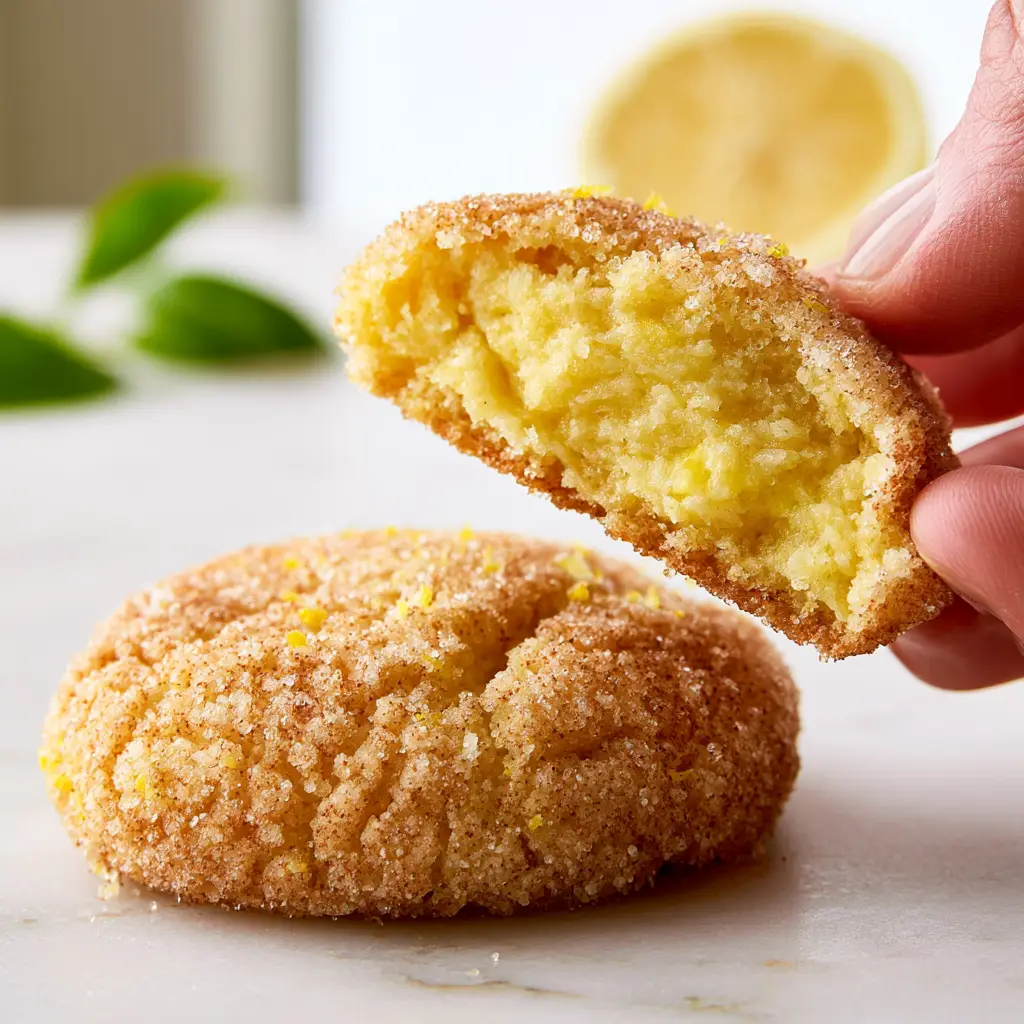
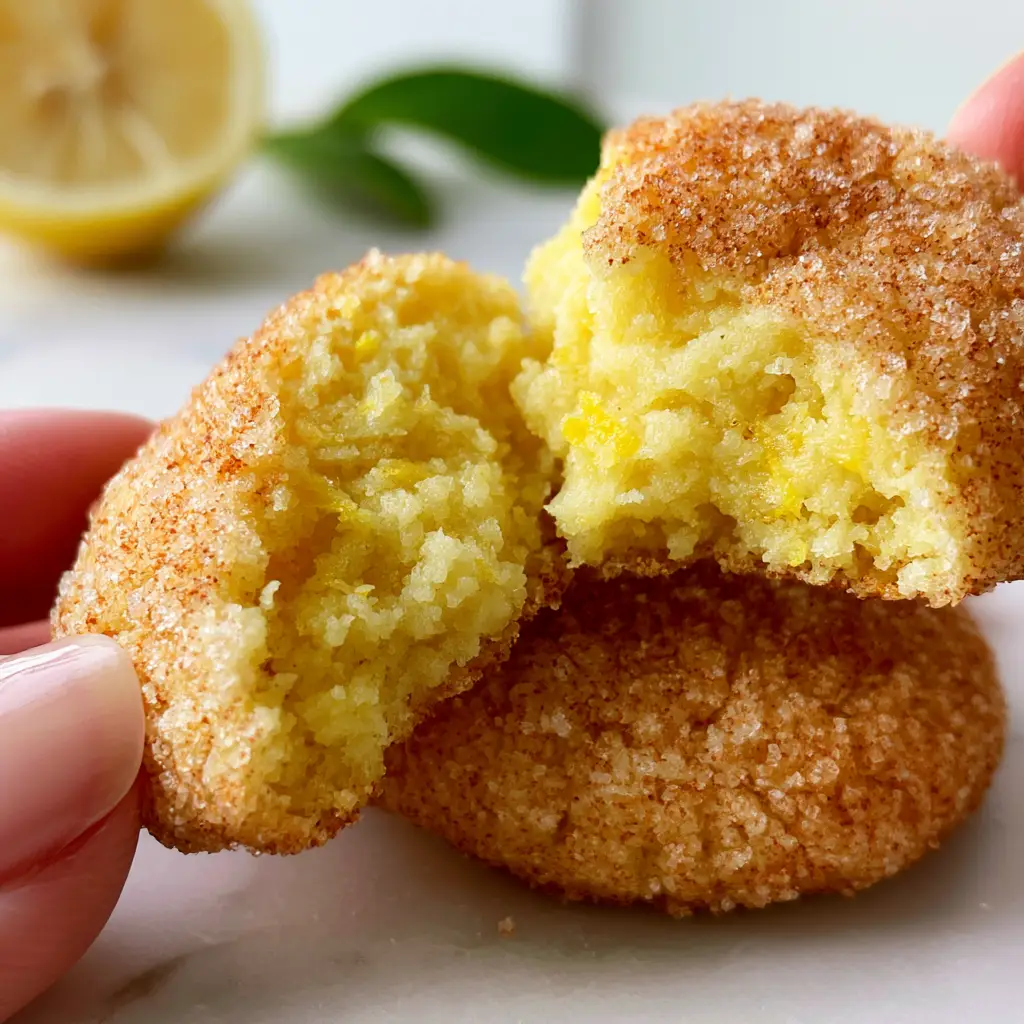
There is something fundamentally transformative about the moment you pull apart a warm, freshly baked cookie. When that cookie is one of our Lemon Snickerdoodles, the experience shifts from a simple treat to a multi-sensory citrus explosion. Imagine a thick, ultra-chewy center that mimics the texture of a soft fudge, encased in a crisp, deeply crackled sugar shell that sparkles under the kitchen lights.
The Lemon Snickerdoodles we are crafting today are a departure from the dry, sandy textures often found in grocery store aisles. Instead, we are leaning into the “pillowy” architecture described in our culinary blueprint—a dough so moist and dense that it feels substantial in your hand yet melts away the moment it hits your tongue. Every bite is punctuated by the bright, floral notes of fresh lemon zest and the signature tang that only a true snickerdoodle can provide.
Whether you are a seasoned baker or a weekend hobbyist, achieving this specific “handheld smartphone photo” quality requires a blend of precision and high-quality ingredients. We aren’t just making cookies; we are engineering a masterpiece of zest, sugar, and sunshine that looks just as incredible on a white marble slab as it tastes with a cold glass of milk.
Why These Zesty Snickerdoodles Stand Out from the Crowd
- The “Fudgy” Foundation: Unlike cake-like cookies, these Lemon Snickerdoodles utilize a specific fat-to-flour ratio to ensure a dense, moist, and pillowy yellow dough.
- The Double-Roll Technique: To achieve that heavy, sparkling granulated sugar coating and deep intricate crackle, we employ a professional-grade coating method.
- Visual Zest Integration: Tiny specks of bright yellow lemon zest are suspended throughout the golden dough, providing both visual appeal and a rhythmic release of citrus oils.
- The Signature Tang: We balance the fresh lemon juice droplets with traditional cream of tartar to maintain the classic snickerdoodle flavor profile while elevating the citrus notes.
Essential Components for the Perfect Citrus Crackle
To achieve the “visual recipe blueprint” of a golden crackled exterior and a soft-baked center, every ingredient must serve a functional purpose. We don’t use fluff; we use culinary science to build flavor and structure from the ground up.
Unsalted High-Fat Butter: 1 cup (227g) of softened butter provides the necessary lipids for that “fudgy” rather than “airy” texture. The butter is the carrier for the lemon zest oils, ensuring the flavor is embedded in every molecule of the dough.
Granulated Sugar: 1 ½ cups (300g) for the dough plus extra for the coating. Sugar isn’t just a sweetener here; it is a humectant that keeps the center moist and a structural agent that creates the crackled crust as it dehydrates in the oven.
Fresh Lemon Zest: 2 tablespoons (12g) of finely grated zest from organic lemons. By using a microplane, we release the essential oils directly into the sugar, a process known as “rubbing” that intensifies the aromatic profile of the Lemon Snickerdoodles.
Large Egg and One Yolk: The extra yolk is the secret to the “pillowy” and “dense” interior. It provides emulsifiers and fats that prevent the cookie from becoming too tough or bread-like.
Freshly Squeezed Lemon Juice: 1 tablespoon (15ml) of juice provides the “droplets” of acidity needed to react with the leavening agents. This creates the initial lift that eventually collapses into those beautiful, deep fissures.
All-Purpose Flour: 2 ¾ cups (345g) measured by weight. This provides just enough gluten structure to hold the “thick, ultra-chewy” shape without making the Lemon Snickerdoodles heavy.
Cream of Tartar: 2 teaspoons (6g) is non-negotiable for the snickerdoodle identity. It adds the characteristic tang and prevents the sugar from crystallizing too quickly, which aids in that soft, chewy bite.
Baking Soda and Fine Sea Salt: 1 teaspoon (5g) of soda for browning and rise, and ½ teaspoon (3g) of salt to sharpen the citrus notes. These “invisible ingredients” are what make the yellow dough pop visually and gastronomically.
The Tool Kit: Equipment for Professional Results
To capture the high-resolution food photography look, you need more than just a bowl and a spoon. These tools help you achieve the precise textures seen in the handheld smartphone photo of our blueprint.
A Microplane Zester is essential for those “tiny specks of bright yellow lemon zest.” It ensures the zest is fine enough to distribute evenly without leaving bitter, chewy chunks of pith in the dough.
An Electric Stand Mixer or hand mixer allows you to cream the butter and lemon-infused sugar until they reach a pale, lemon-yellow hue. This aeration is minimal but necessary to support the “pillowy” rise.
A Large Cookie Scoop (3-tablespoon capacity) ensures every one of your Lemon Snickerdoodles is uniform in size. Uniformity isn’t just for aesthetics; it ensures that every cookie finishes with the same “moist pillowy center” at the exact same second.
Heavy-Duty Baking Sheets and parchment paper prevent the bottoms from over-browning. We want a “golden crackled exterior,” not a burnt base, to maintain the fresh, airy atmosphere of the final dish.
Step-by-Step Evolution of the Lemon Snickerdoodle
Infusing the Sugar with Citrus Essence
In your mixing bowl, combine the granulated sugar and the 2 tablespoons (12g) of fresh lemon zest. Use your fingertips to rub the zest into the sugar for 2-3 minutes until the mixture is fragrant and looks like damp yellow sand.
This mechanical action breaks open the zest’s oil glands, ensuring that the Lemon Snickerdoodles have a deep, foundational citrus flavor that isn’t reliant on artificial extracts. Add the softened butter and cream on medium-high speed until the mixture is light and fluffy, roughly 3-4 minutes.
Building the Dense and Fudgy Dough
Add the egg, the extra egg yolk, and the fresh lemon juice. Continue to beat until fully incorporated, scraping down the sides of the bowl to ensure no pockets of butter remain. You will notice the dough begins to take on a beautiful, pale yellow hue.
In a separate bowl, whisk together the flour, cream of tartar, baking soda, and salt. Gradually add the dry ingredients to the wet on low speed. Stop mixing the moment the last streak of flour disappears to avoid over-developing the gluten, which would ruin the “soft-baked” texture.
The Double-Roll Coating Strategy
Chill your dough for at least 30 minutes. Chilled dough spreads less, which is critical for achieving that “thick” profile seen in our macro photography prompts. Once chilled, scoop 3-tablespoon portions and roll them into smooth spheres between your palms.
Roll each ball in a bowl of granulated sugar once, let it sit for a minute, and then roll it again. This “double roll” creates a thick barrier that will shatter as the cookie expands in the heat, resulting in that “deep, intricate crackle finish.”
Baking for Sensory Cues
Preheat your oven to 350°F (175°C). Space the dough balls 3 inches (7.5cm) apart on your prepared sheets. Bake for 10-12 minutes. You are looking for a very specific visual cue: the edges should be set and matte, while the centers still look slightly “underdone” and soft.
As the cookies cool on the hot pan, the carry-over heat will finish cooking the center while the exterior firms up into a golden crust. You should see the “fresh lemon juice droplets” effect as the moisture evaporates through the cracks, leaving a glistening, fudgy interior.
Expert Tips for Success with Lemon Snickerdoodles
- Room Temperature Matters: Ensure your eggs and butter are at room temperature to create a seamless emulsion. Cold ingredients will cause the dough to “break,” resulting in an uneven texture.
- Don’t Skip the Cream of Tartar: This is what distinguishes Lemon Snickerdoodles from a standard lemon sugar cookie. It provides the chew and the classic acidic “zing.”
- The Marble Surface Trick: If you want to mimic the “neutral white marble surface” look of our photography, cool your cookies on a cold surface to stop the baking process instantly, preserving the moist center.
- Zest Before Juicing: Always zest your lemons before you cut them. It is nearly impossible to get fine, bright yellow specks from a spent, juiced lemon half.
The Best Storage for Lasting Freshness
Because these Lemon Snickerdoodles are designed to be “moist and pillowy,” they must be stored correctly to prevent them from drying out. Place them in an airtight container once they are completely cool to the touch.
At room temperature, they will remain fudgy for up to 4 days. If you want to extend their life, you can freeze the baked cookies for up to 3 months. To enjoy them with that “just-baked” feel, microwave a frozen cookie for 15 seconds to soften the interior dough back to its original pillowy state.
What to Serve With These Zesty Cookies
While these cookies are a powerhouse on their own, they pair beautifully with other citrus-forward treats or as part of a larger dessert spread. If you love this flavor profile, you might also enjoy making some mini lemon cheesecakes for a party.
For those who love a bit of fruit with their citrus, these cookies are a great precursor to trying lemon blueberry cheesecake cookies or even some no-bake lemon cheesecake tarts. If you’re looking for something savory to balance the sugar, they make a surprising follow-up to homemade snacks like our potato side dishes.
Frequently Asked Questions
Yes! Roll the dough into balls and freeze. For the best crackle, roll in sugar just before baking from frozen, adding 2 minutes to the bake time.
While you can substitute with lemon juice, cream of tartar is essential for the specific chewy texture and iconic tang of a true snickerdoodle.
Use a microplane to create very fine zest and rub it directly into the sugar. This distributes the color and flavor evenly throughout the yellow dough.
The ‘pillowy’ texture comes from using an extra egg yolk and a higher butter-to-flour ratio, combined with a short bake time that leaves the center slightly underdone.
Double-rolling creates a thicker sugar barrier that dries out and shatters as the cookie expands, resulting in a deeper, more intricate crackle finish.
The Ultimate Recipe for Lemon Snickerdoodles
Lemon Snickerdoodles: The Ultimate Soft and Chewy Citrus Cookie
Ingredients
Equipment
Method
- Rub lemon zest into granulated sugar with fingertips until fragrant. Cream with softened butter for 3-4 minutes until fluffy.
- Beat in the egg, egg yolk, and lemon juice until smooth and yellow.
- Whisk flour, cream of tartar, baking soda, and salt. Gradually mix into the wet ingredients on low speed until just combined.
- Chill dough for 30 minutes. Scoop 3-tbsp balls and roll twice in granulated sugar for a heavy coating.
- Bake at 350°F (175°C) for 10-12 minutes until edges are set but centers remain pillowy and crackled.
Notes
Double roll the dough in sugar to ensure a deep crackle finish.
Closing & Call to Action
The Lemon Snickerdoodles represent the pinnacle of citrus baking—a perfect harmony of tangy lemon, sparkling sugar, and a texture that defies the logic of a standard cookie. By following our visual cues and scientific ratios, you can recreate this macro-photography-worthy treat in your own kitchen.
If you enjoyed this deep dive into the world of soft-baked citrus, please leave a comment below and let us know how your crackle turned out! Don’t forget to share your creations and follow us on Pinterest for more visually stunning recipes. Sign up for our newsletter to get elite baking tips delivered straight to your inbox every week.