Pork Parmigiana is the ultimate comfort food evolution, transforming the classic Italian-American staple into a texturally superior masterpiece. If you have ever felt let down by soggy breading or thin, flavorless cutlets, this recipe is designed specifically for you. We are moving away from the standard breadcrumb and embracing a thick, jagged, deep golden-brown panko crust that shatters with every bite.
This version focuses on the forensic details of culinary excellence: the contrast between a juicy pork loin interior and a crunchy exterior. By concentrating our rich, chunky marinara sauce only in the center of the cutlet, we ensure the edges remain remarkably crisp. This isn’t just dinner; it is a sensory experience defined by bubbling mozzarella, toasted parmesan spots, and the aromatic lift of fresh basil chiffonade.
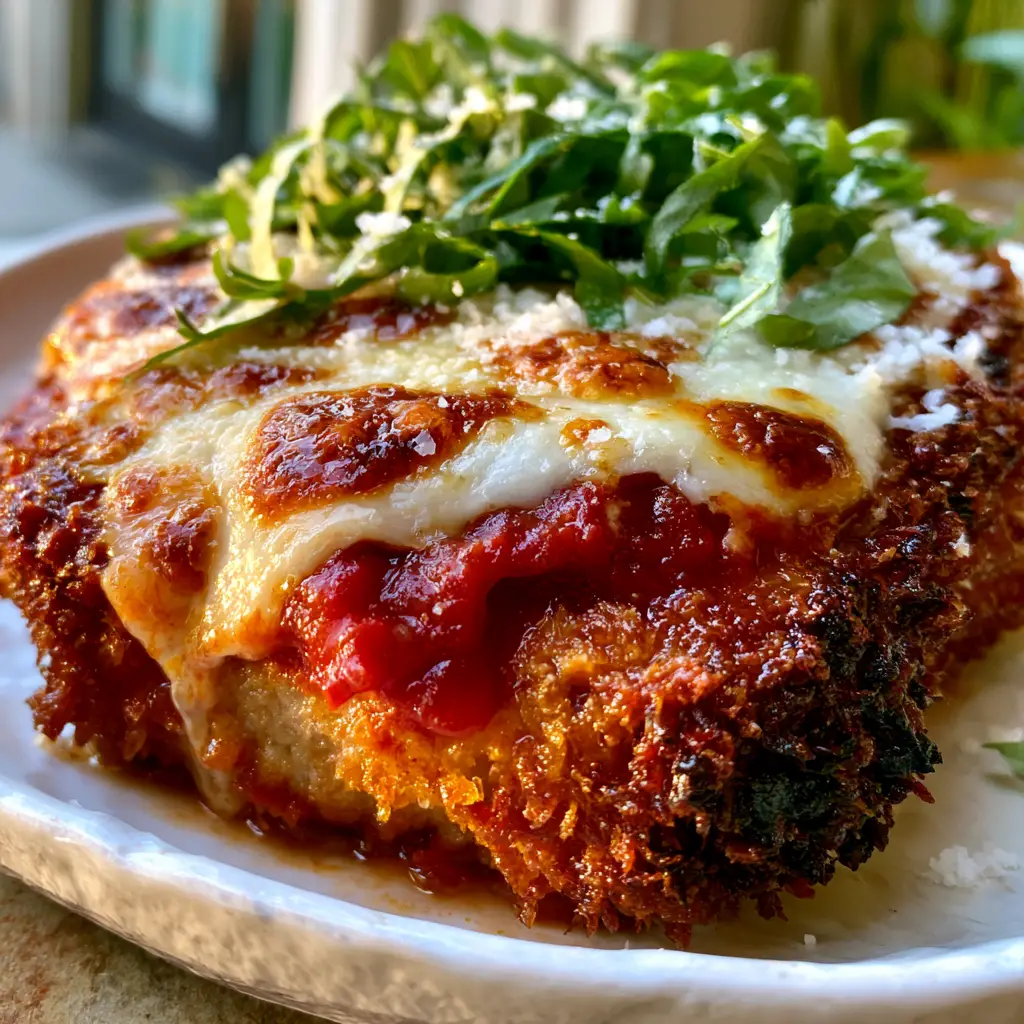
Imagine a rustic white ceramic plate holding a cutlet so perfectly fried it glows under natural morning light. The cheese isn’t just melted; it features those coveted toasted golden-brown bubbles that signal deep, caramelized flavor. Whether you are an experienced home cook or looking to expand your repertoire of versatile pork recipes, this guide will walk you through the science of the perfect sear and the art of the cheese pull.
Why This Pork Parmigiana Outshines the Classic Chicken Version
- Structural Integrity: Unlike chicken breast, which can dry out quickly, pork loin offers a sturdier, juicier foundation that stands up to the high heat of deep-frying and broiling.
- The Jagged Panko Edge: We utilize Japanese-style panko to create a thick, irregular crust that provides maximum surface area for crunch and golden-brown development.
- Concentrated Flavor Profile: By using a chunky marinara rather than a thin puree, you get bursts of acidic tomato sweetness that cut through the richness of the melted mozzarella.
- Visual Sophistication: The micro-planed parmesan dusting and bright green basil chiffonade transform a humble cutlet into a restaurant-quality presentation.
Essential Ingredients for the Ultimate Pork Parmigiana
To achieve the visual and textural results seen in professional food photography, we must select ingredients with specific scientific properties. Every component serves a purpose in building the layers of flavor and crunch.
Pork Loin Cutlets: You will need 1.5 lbs (680g) of boneless pork loin, sliced into 1/2-inch (1.3cm) rounds. Pounding these slightly ensures even cooking and a tender mouthfeel while maintaining the thickness required for a “juicy” center.
Panko Breadcrumbs: Use 2 cups (120g) of Japanese panko. These coarse, flaky crumbs are the secret to that “jagged” look, as they don’t pack down like traditional breadcrumbs, allowing hot oil to circulate for a deeper crunch.
Chunky Marinara Sauce: 1 cup (245g) of high-quality, thick marinara with visible tomato chunks. A watery sauce is the enemy of a crispy crust; we need a sauce that stays exactly where we put it.
Low-Moisture Mozzarella: 1.5 cups (170g) of shredded mozzarella. We prefer low-moisture over fresh here because it browns beautifully into toasted spots without releasing excess water that would ruin the panko.
Parmigiano-Reggiano: 1/2 cup (45g) finely grated for the breading, plus extra for micro-planing. This adds a nutty, salty depth that salt alone cannot achieve.
Fresh Basil: 1 small bunch (approx. 15g). We will slice this into a chiffonade (thin ribbons) just before serving to maintain that bright green, vibrant contrast against the red sauce.
All-Purpose Flour & Eggs: 1/2 cup (60g) flour and 2 large eggs. These act as the “culinary glue,” ensuring your panko crust doesn’t slide off the meat during frying.
Foundational Fats: 1/2 cup (120ml) of neutral oil (like avocado or vegetable oil) for searing. A high smoke point is essential to reach that deep golden-brown color without burning the crumbs.
Tools Required for Professional Results
Achieving a macro-shot-worthy Pork Parmigiana requires more than just a pan. You need a heavy-bottomed skillet, preferably cast iron or stainless steel, to maintain consistent heat during the frying process. A meat mallet is crucial for thinning the pork loin to a uniform 1/4-inch (0.6cm) thickness, ensuring the pork is fully cooked by the time the crust is golden.
For the finishing touches, a micro-plane grater is non-negotiable for that snowy dusting of parmesan. You will also need a wire cooling rack set over a baking sheet; placing the fried cutlets directly on a plate causes steam to build up, which softens the bottom crust. Using a rack keeps the air flowing, preserving the “jagged” texture we worked so hard to create.
Step-by-Step Instructions: Engineering the Perfect Crunch
Preparing the Pork Loin Base
Start by trimming any excess silverskin from your pork loin. Slice the loin into even rounds and place them between two sheets of plastic wrap. Using the flat side of a meat mallet, gently pound the pork until it is uniformly thin. Season both sides generously with kosher salt and cracked black pepper. This is a great alternative to a slow-cooked tender pork recipe when you want something fast yet succulent.
The Triple-Dredge Breading Station
Set up three shallow bowls. In the first, place your flour. In the second, whisk your eggs with a tablespoon of water. In the third, combine your panko breadcrumbs and the finely grated parmesan. Press each pork cutlet firmly into the panko, ensuring the crumbs adhere in a thick, jagged layer. Do not pat them smooth; you want those irregular peaks for maximum crunch.
Searing for Deep Golden-Brown Visuals
Heat your oil in a large skillet over medium-high heat. You will know it is ready when a single panko crumb sizzles immediately upon contact. Carefully lay the cutlets in the pan, working in batches to avoid crowding. Sear for 3-4 minutes per side until the crust is a deep, resonant golden brown. Listen for the vigorous sizzling—that is the sound of moisture escaping and the crust setting.
The Sauce and Cheese Architecture
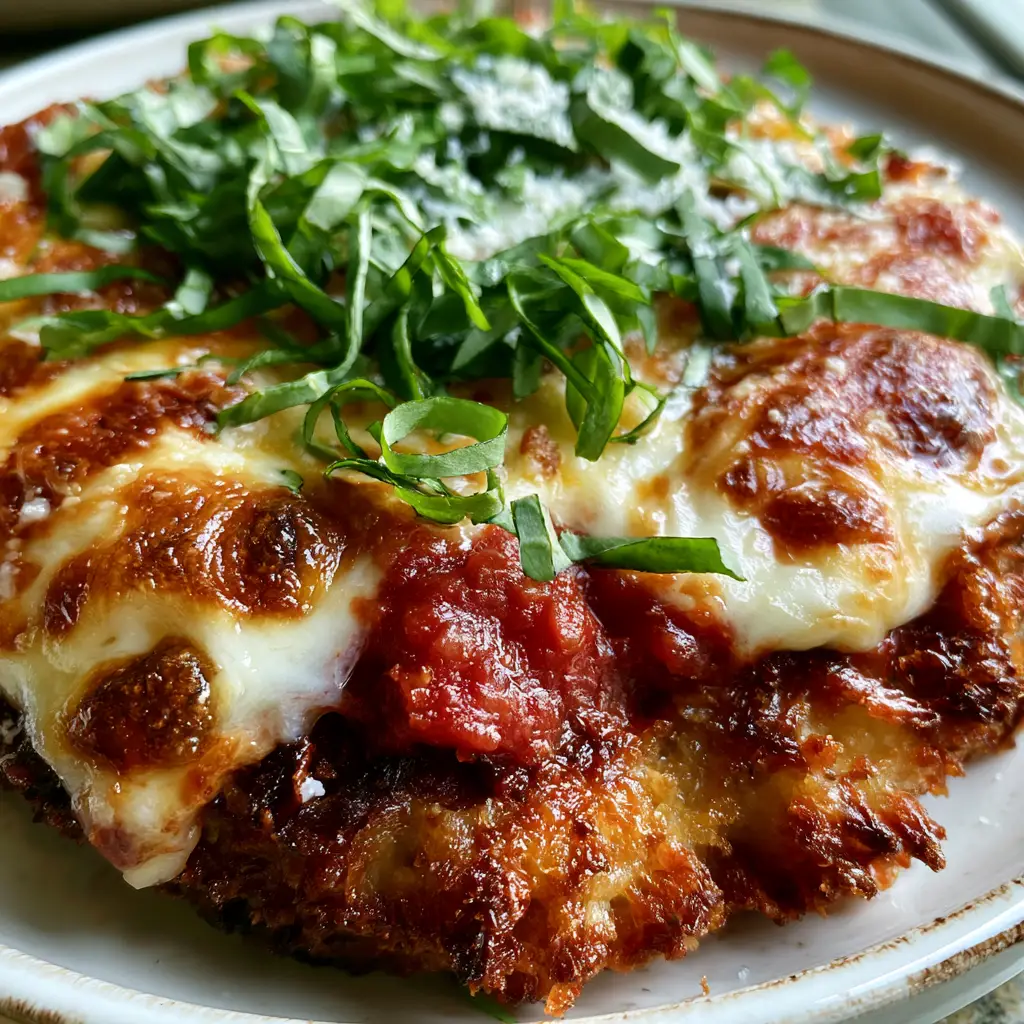
Transfer the seared cutlets to your wire rack. Spoon the chunky marinara specifically into the center of each cutlet, leaving about 1/2-inch of the crunchy panko edges exposed. Top the sauce with a heavy blanket of shredded mozzarella and a few pinches of parmesan. This technique ensures the visual contrast of the vibrant red sauce and the golden crust.
Broiling to Toasted Perfection
Place the baking sheet under the broiler for 2-3 minutes. Watch closely! You are looking for the mozzarella to transition from white to a bubbly landscape with toasted golden-brown spots. The cheese should show a slight “pull” when lifted. This step mimics the soft morning light highlights seen in high-end food photography by creating reflective, melted textures.
Expert Tips for Success
- Keep it Cold: If you have time, let the breaded cutlets sit in the fridge for 15 minutes before frying. This helps the crust adhere better to the meat.
- The “Dry Hand/Wet Hand” Rule: Use one hand for the dry ingredients (flour and panko) and the other for the wet (egg wash) to avoid breading your own fingers.
- Oil Temperature is Key: If the oil is too cold, the breadcrumbs will soak up the fat and become greasy. If it is too hot, the outside will burn before the pork is cooked through. Aim for 350°F (175°C).
- Fresh Basil Timing: Always add your basil chiffonade at the very last second. The residual heat from the cheese will release its oils without wilting the leaves into a dark, unappealing color.
How to Store and Reheat Your Leftovers
Pork Parmigiana is best enjoyed immediately, but if you have leftovers, store them in an airtight container in the refrigerator for up to 3 days. To maintain the crust, avoid the microwave. Instead, reheat the cutlets in a 350°F (175°C) oven or air fryer for 5-8 minutes until the cheese is bubbling again and the edges have regained their crunch.
You can also freeze the breaded (but uncooked) cutlets. Layer them between parchment paper in a freezer bag. When you are ready for a quick dinner, you can fry them directly from frozen, adding an extra 2 minutes per side to the cooking time. This is a fantastic “future you” gift, much like having a batch of frozen Chinese-style pork ready to go.
What to Serve With This Decadent Dish
To balance the richness of the fried pork and melted cheese, pair this dish with something bright and acidic. A simple arugula salad with a lemon vinaigrette works perfectly. If you are looking for a fuller meal, a side of lemon pasta provides a citrusy counterpoint to the savory marinara.
For those who prefer a more traditional Italian-American spread, serve it alongside garlic bread or a portion of roasted vegetables. If you’re in the mood for a different flavor profile entirely for your next meal, consider trying Pork Piccata, which uses similar thin cutlets but with a light, caper-butter sauce.
Frequently Asked Questions
Yes, pork tenderloin works well but is much smaller in diameter. You will need to slice it on a sharp bias to get larger cutlets, and be extra careful not to overcook it, as tenderloin is leaner than loin.
The secret is two-fold: only place the marinara sauce in the center of the cutlet to keep the edges exposed, and always rest the fried pork on a wire cooling rack rather than directly on a plate to prevent steam buildup.
Use an air fryer or oven at 350°F (175°C) for about 5-8 minutes. Avoid the microwave, as it will make the panko breading rubbery and soggy.
Panko breadcrumbs are larger and airier, which creates a more jagged surface area. This results in a much crunchier texture and a more visually appealing deep golden-brown crust.
The H1 Title From The Article
Ready to experience the best Pork Parmigiana of your life? This recipe delivers on every promise: the crunch, the cheese, and the juice. It is a masterclass in textures that will leave your family asking for seconds. Follow the steps carefully to ensure that jagged panko crust stays crispy under that blanket of bubbly cheese.
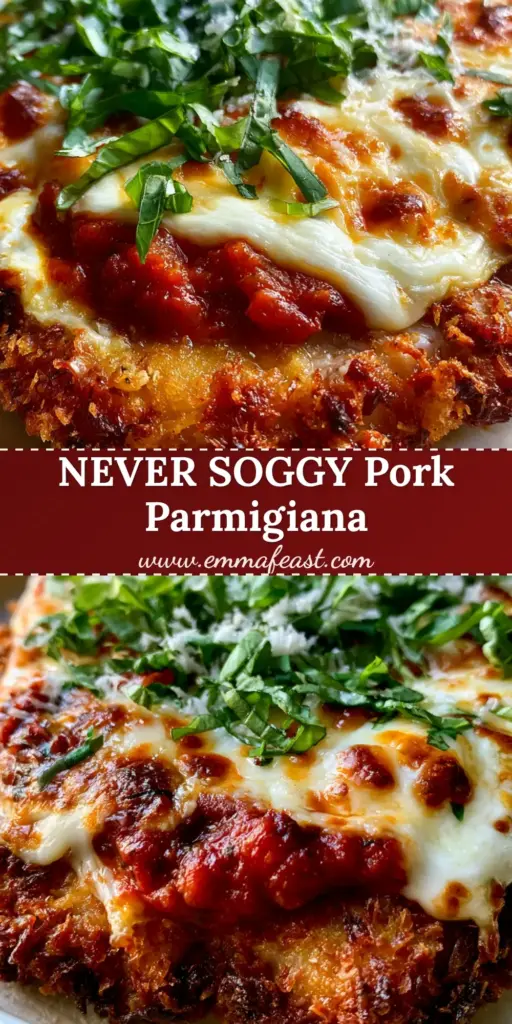
Pork Parmigiana with a Jagged Panko Crust and Chunky Marinara
Ingredients
Equipment
Method
- Pound the pork loin cutlets to 1/4-inch (0.6cm) thickness using a meat mallet. Season with salt and pepper.
- Dredge each cutlet in flour, dip in egg wash, and then press firmly into the panko-parmesan mixture to create a jagged crust.
- Heat oil in a skillet and sear cutlets until they reach a deep golden-brown crust, about 3-4 minutes per side.
- Top center of cutlets with chunky marinara and mozzarella. Broil until cheese shows toasted golden-brown bubbles.
- Finish with a fresh basil chiffonade and a micro-planed parmesan dusting before serving on a rustic plate.
Notes
Concentrate sauce only in the center to keep the panko edges extremely crunchy.
Closing & Call to Action
Creating this Pork Parmigiana is an act of culinary love. From the micro-planed parmesan dusting to the precise chiffonade of basil, every detail matters. If you enjoyed this recipe, please leave a comment below and let me know how your crust turned out! Don’t forget to sign up for our newsletter for more elite cooking tips and share this recipe to Pinterest so you never lose it.